
Stories of professional jealousy, mutual dislike, insurmountable disagreements, and sometimes irreconcilable hostility between artists in the series of Arthiva
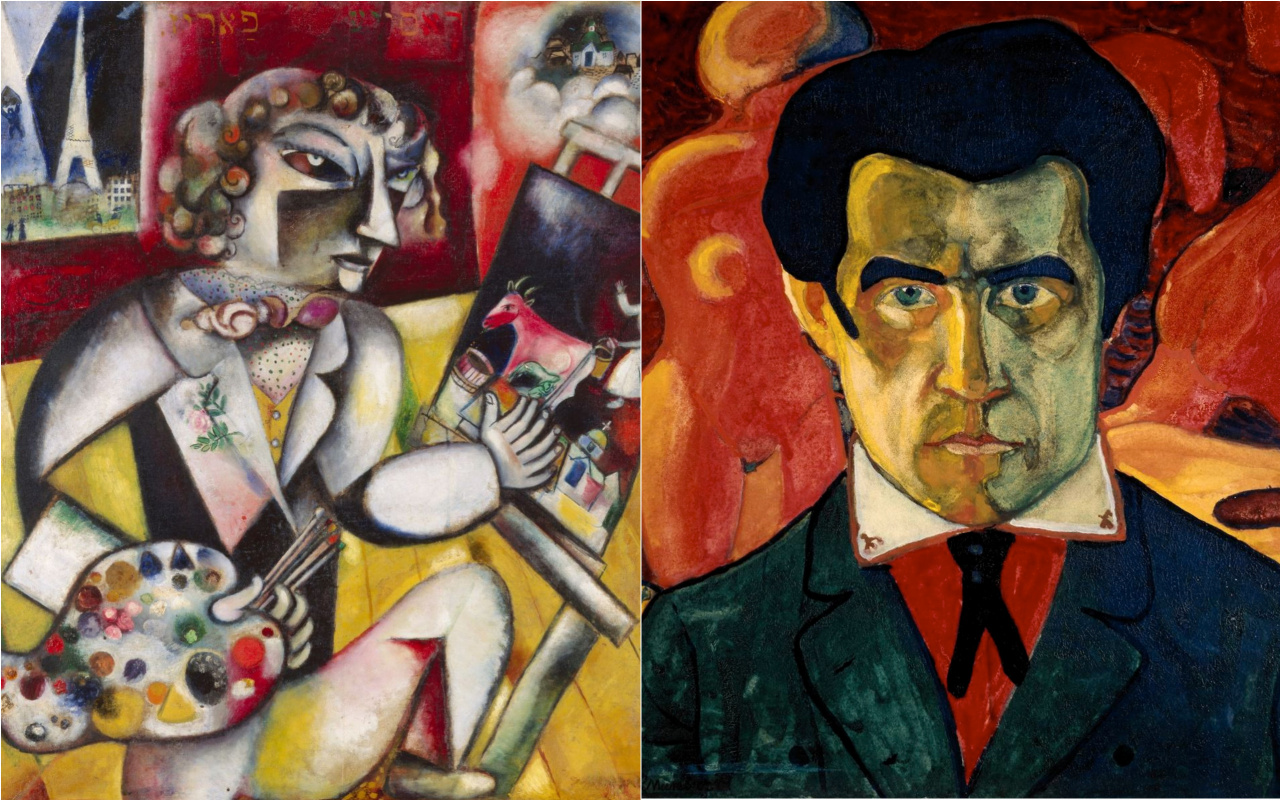
It is believed that Marc Chagall and Kazimir Malevich were enemies. Malevich really played a fateful role in Chagall’s fate-in any case, so it could appear in 1919, in the year of their acquaintance.
Malevich lured the students of Chagall. Actually survived him and from the School of Painting (which he founded), and from his native Vitebsk.
However, this conflict was almost absentia. During the legendary “war” these two hardly exchanged a hundred words, they practically did not know each other. Malevich did not fight with Shagol and definitely did not wish him evil. Kazimir Severinovich became an instrument or, if you want, a toy in the hands of universe, who was so eager to understand, explain and ride. And who is known to have a very specific sense of humor.
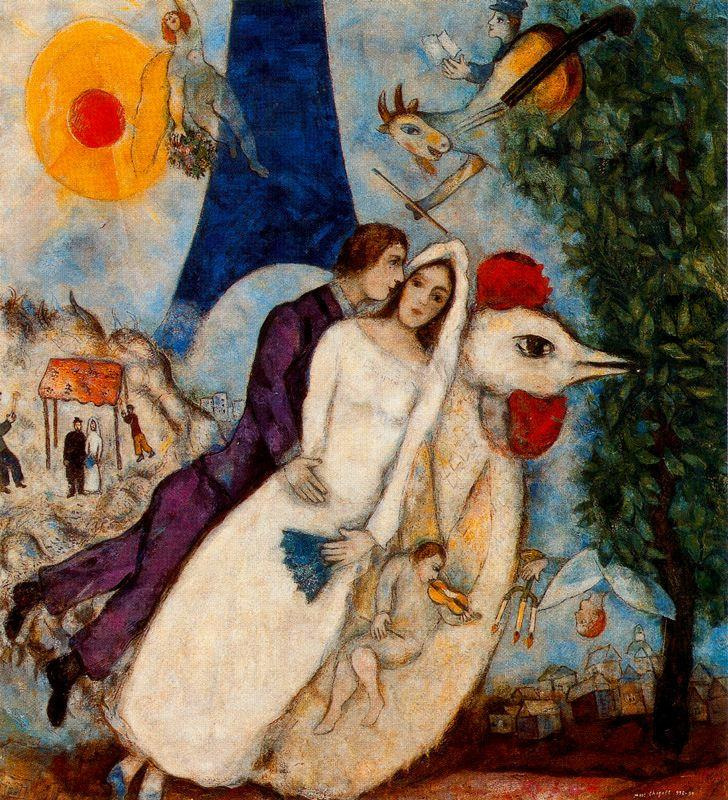
Betrothed and Eiffel Bashnymark Zakharovich shagal1913, 77 ×
70 Smmorrow was V
oinin 1914 Marc Chagall came from Paris to his native Vitebsk to finally get married. The bride-Bella Rosenfeld-waited patiently for him for four years. Immediately after the wedding, the young planned to go to Europe. But the war began. Shagala was not released to Paris. In his memoirs the artist wrote: “My documents were confiscated and sealed. I feel as though I have been stripped naked, and in the bargain I have grown a beard and a coat. ” Shagal resigned. To undress naked was for him a common affair-living in Paris, he made the habit of writing nude. He sincerely loved his small homeland, even Paris he called his “second Vitebsk”. He dreamed to establish an art school here, and this thought supported him in the hardest years.
In 1917, 30-year-old Chagall was appointed Commissioner for Arts of the Vitebsk province. He had some fame in Moscow and abroad, and his work seemed a new power quite revolutionary to go for “proletarian art.” Two years later Chagall founded and headed the Vitebsk art school — a matter of his life, as he thought at the time.
These were disturbing times. There was a civil war in the vicinity.
In November 1919, Kazimir Malevich entered the city.
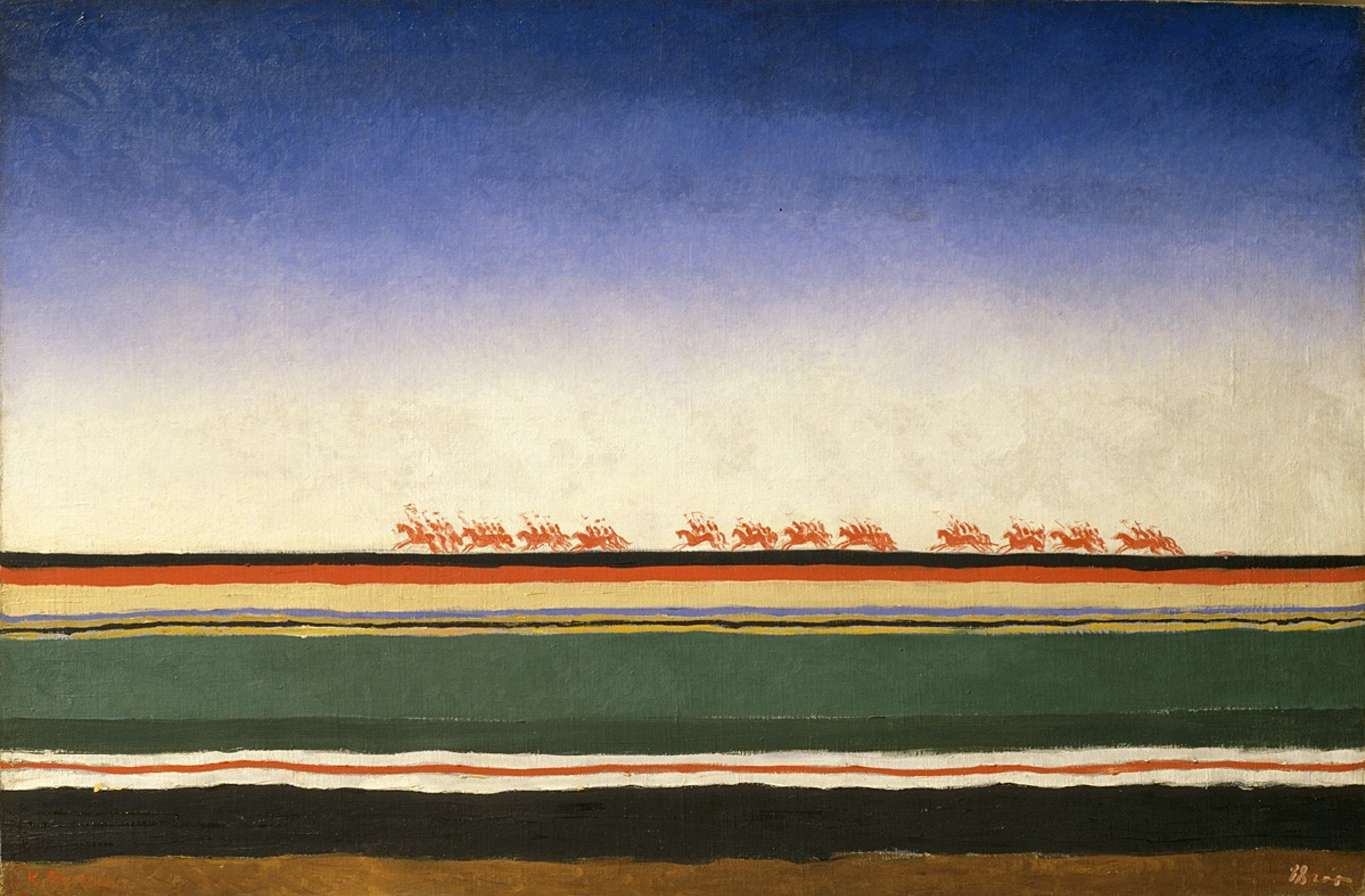
Jumps Red Konnicakazimir Severinovich malevich1932, 140 × 91 schampion mirusing
The terminology of Malevich, it can be said that he was brought to Vitebsk “Harchovi considerations.” The initiatives related to education and art were financed by the Government generously enough, and in general, the province lived Sytney capitals. Among other things, Malevich attracted the opportunity to publish in Vitebsk his work “on new systems in art”-in Moscow, he failed.
When the teacher at the art school Lisitsky (in 19-th not yet ale, and Lazar Markovich) has offered it move to Vitebsk, Kazimir Severinovich has quickly collected suitcases.
However, the arrival was arranged so that no one dared to suspect Malevich that he appeared in Vitebsk for the sake of bread, firewood or living space. Art criti
c Alexander Shatskih describes the coming so: “The whole school gathered downstairs, in the hall of the building, where always General meetings occurred. From the hall to the second floor of the house led open single-March staircase. M. Chagall announced the arrival of a new teacher in the school-and after this performance on the upper platform appeared kruglogolovyj strong man and slowly began to go down the steps, making wide sweeping movements of hands. Having descended down, he ascended to the podium-stage and, without saying a word, continued to do something like gymnastic exercises; Dense chunky figure made it look like a wrestler or athlete. The effect was deafening. ”
No, this is not a new teacher came to lead the local workshop-superstar, Space Messiah, “World champion”, as wrote about himself Malevich in a letter to the historian of culture Mikhail Gershenzon.
Chagall did not immediately understand what was going on. And it was not time to move through the frames. “Everyone who expressed a desire to work for me, I immediately generously enrolled in the teachers, considering it useful that the school were presented a variety of artistic trends,”-he recalled in his memoirs.
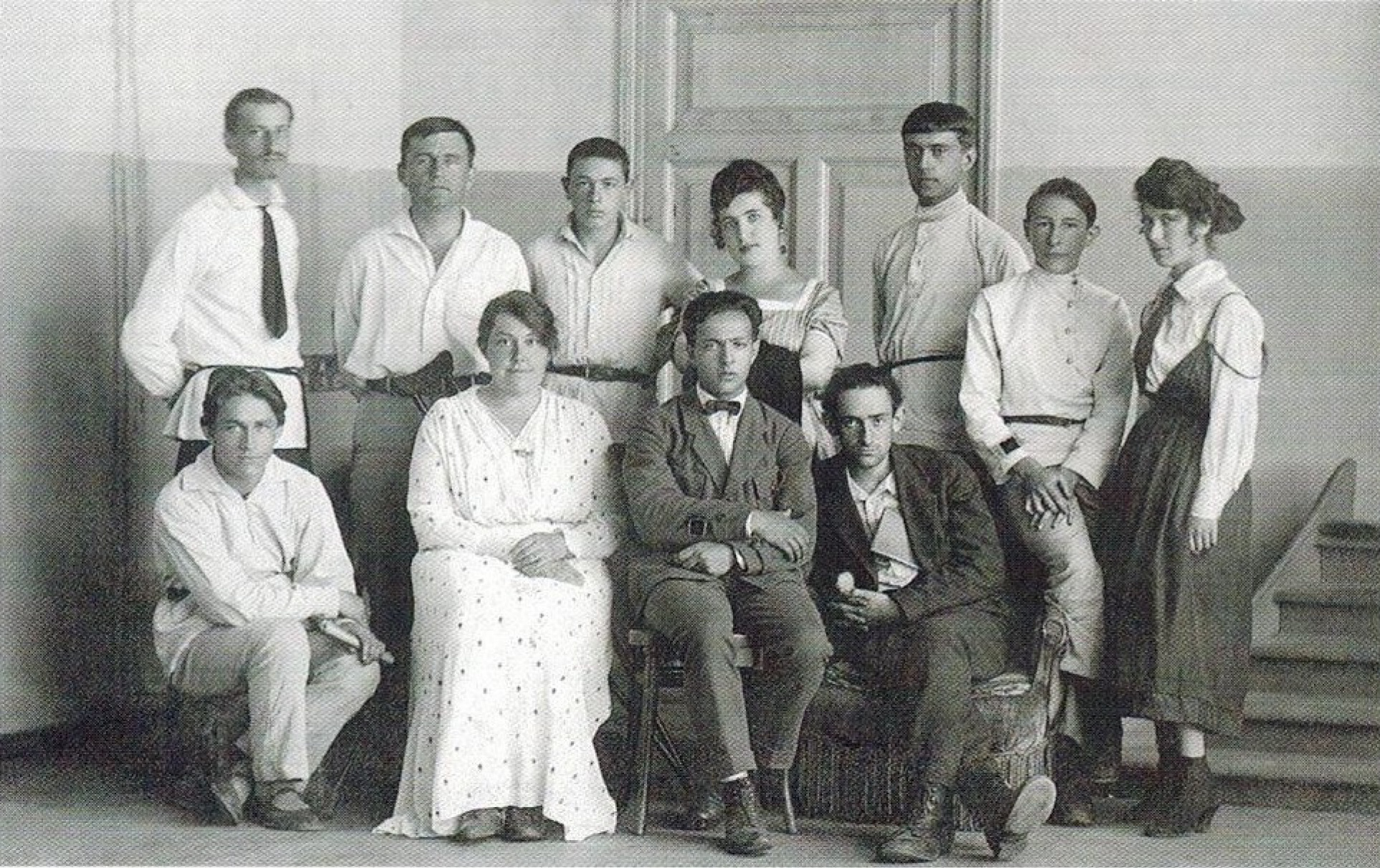
The new art. Vitebsk, 1922 Malevich is the second on the left in the upper row. Soon Malevich established the union of the Unovis (“The New Art”), whose processes were rapidly spread around the district (already in 1920, branches arose in Moscow, Smolensk, Saratov, Perm). His members greeted each other with the “supretic” exclamation of “U-el-ul-al-te-ka!”, talking mainly between the interdomis and the abbreviations, published almanac, Manifesta and “establishment”. It was all an average between a sect and a party.
It took Malevich about half a year to bribe everything that Shagal lived in Vitebsk. In May 1920 students of “individualist” workshops practically in full structure entered the Unovis as in “the unique, leading to creativity collective”. Unovis monopolized everything in Vitebsk that somehow was connected with artistic activity. In their supreatitic manner, the unovistsy painted trams, developed the design of food cards, decorated the interiors of state institutions and city facades. Chagall remained alone, his life’s work was under the ice rink of lead charisma Malevich.
Born leader, Malevich was able to charm and intrigue an intellectual like Gershenzon, a famous writer. What influence he could have on an impressionable commoner, needless to say: For his disciples Malevich was not a mentor, but a deity. Among other things, he acted as an effective manager in the school. While Shagal tried to teach his students to draw, Malevich “taught them to be supreativism.” A month or two of classes (mostly theoretical) in his class, the pupil was considered a ready artist. Of course, Chagall had no chance.
All this, certainly, high drama has run out on a background quite domestic dryazg. Malevich took a living space, which was claimed by Chagall (in fairness to mention that Malevich, most likely, did not know about it). Chagall’s salary as the director of the school was 4800 rubles. For comparison, some time after his departure from Vitebsk, Malevich was assigned a personal salary of 120 thousand. Chagall felt not only lonely and devoted, but also humiliated.
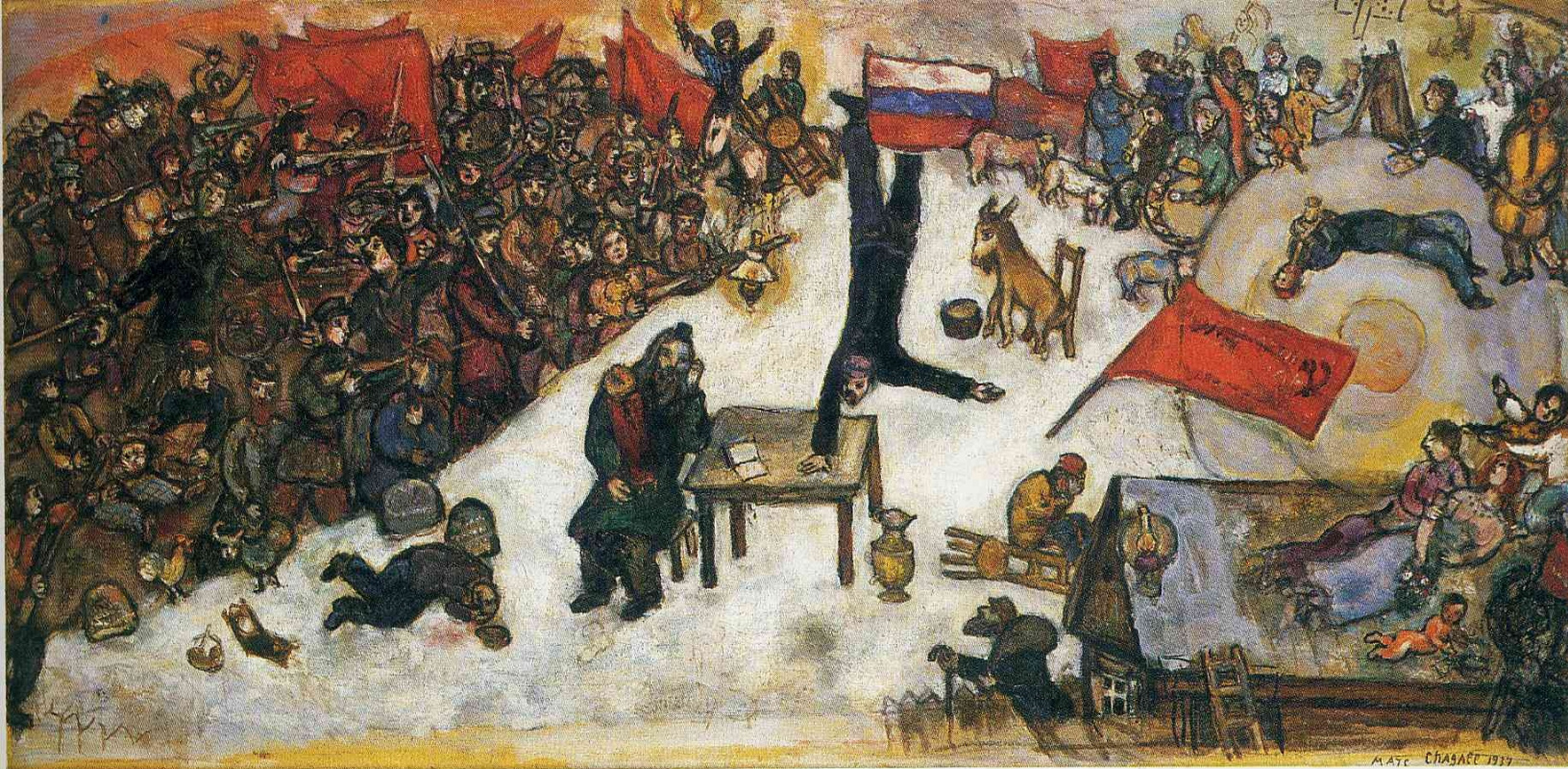
Revolutionationmark Zakharovich shagal1937, 50 × 100 SMHI Lunacha
rskiy! If you do not know the details, it may seem that the whole story-a few Bulgakov’s sense. The artist with a name, the master and the enthusiast of the business, wants to work quietly-in the afternoon to teach students (in workshops of the school), and in the evening to supper (it is desirable in the dining room). And here Malevich with the Unovisovam: leather jackets, waist belt, brochures, Novyaz, sealing apartments. Neither give nor take, the meeting of Professor Preobrazhenskiy with Shvonder. In fact, everything was a little different.
Chagall had no waist belt. But his personal bodyguard was. The fact that Chagall walked on the native Vitebsk with the guards, does not really knit with the image of the vulnerable artist. Unlike Professor Preobrazhensky, Chagall did not just have patrons in the power circles-he himself was the authority. As all power, it was not lublali. The situation was aggravated by the fact that Shagal was a local. In Vitebsk they knew and remembered his father, who worked as a clerk in a grocery store, who had gone through a herring brine. Shagala with his personal protection and the mandate, issued ostensibly by Lunacharsky, was considered an upstart. On its background Malevich was easy to seem in Vitebsk big metropolitan Celebrity.
In general, Malevich was far not the only reason that Marc Chagall had left or, if you want, fled from Vitebsk. Everything he did here after his return from Paris was unsuccessful.
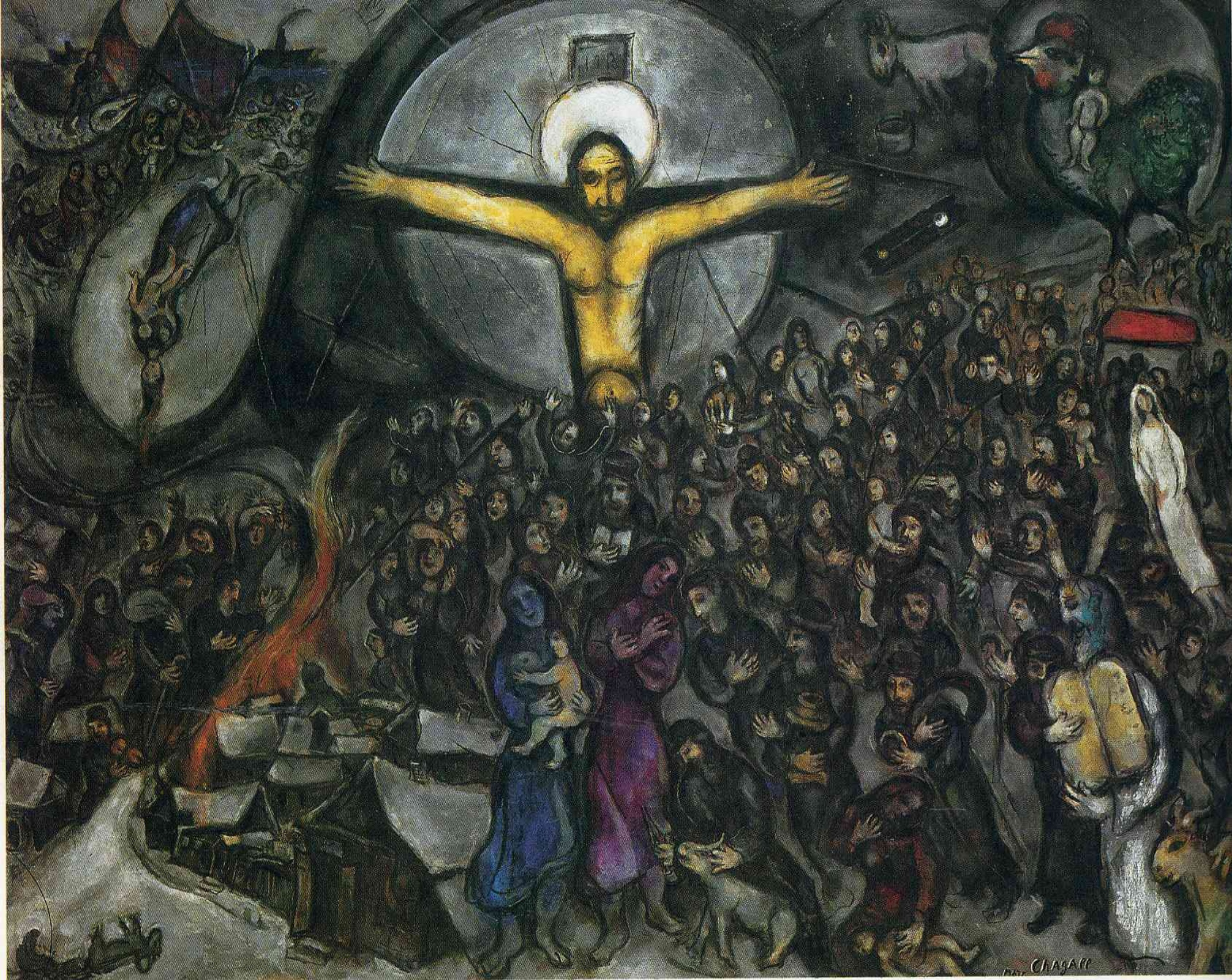
SOURCE Mark Zakharovich shagal1966, 130 × 162 smmost deafening of them-perhaps, the design of the city on the occasion of the anniversary of the October Revolution. It was a grand event. Seven triumphal arches were built on the squares of the city. The artist and his apprentices (in the interests of the revolution in the helpers Shagalu were recruited all who could hold a brush or roller and were able to draw from the sketches at least the letters) created a lot of panels and large posters. According to eyewitnesses, there were not less than five hundred. The townspeople of these titanic efforts are not appreciated. In the context of the revolutionary agitation, his images produced a mighty psychedelic effect. Green horses. Levifying Jews. Self-portrait of a floating wife in the air, entitled “Hello Lunacharsky!”.
Chagall wrote in his book “My Life”: “The workers passed by singing” International “. Looking at their joyful faces, I was sure they understood me. Well, bosses, Commissioners, were not so happy. Why, say mercy, the cow is green, and the horse flies across the sky? What do they have in common with Marx and the lazy? ”
For some time the artist has been the hope that at least “people” was on his side. But he was not: The Proletarians laughed at the green horses much louder than the Huo-poorly educated “commissioners.”
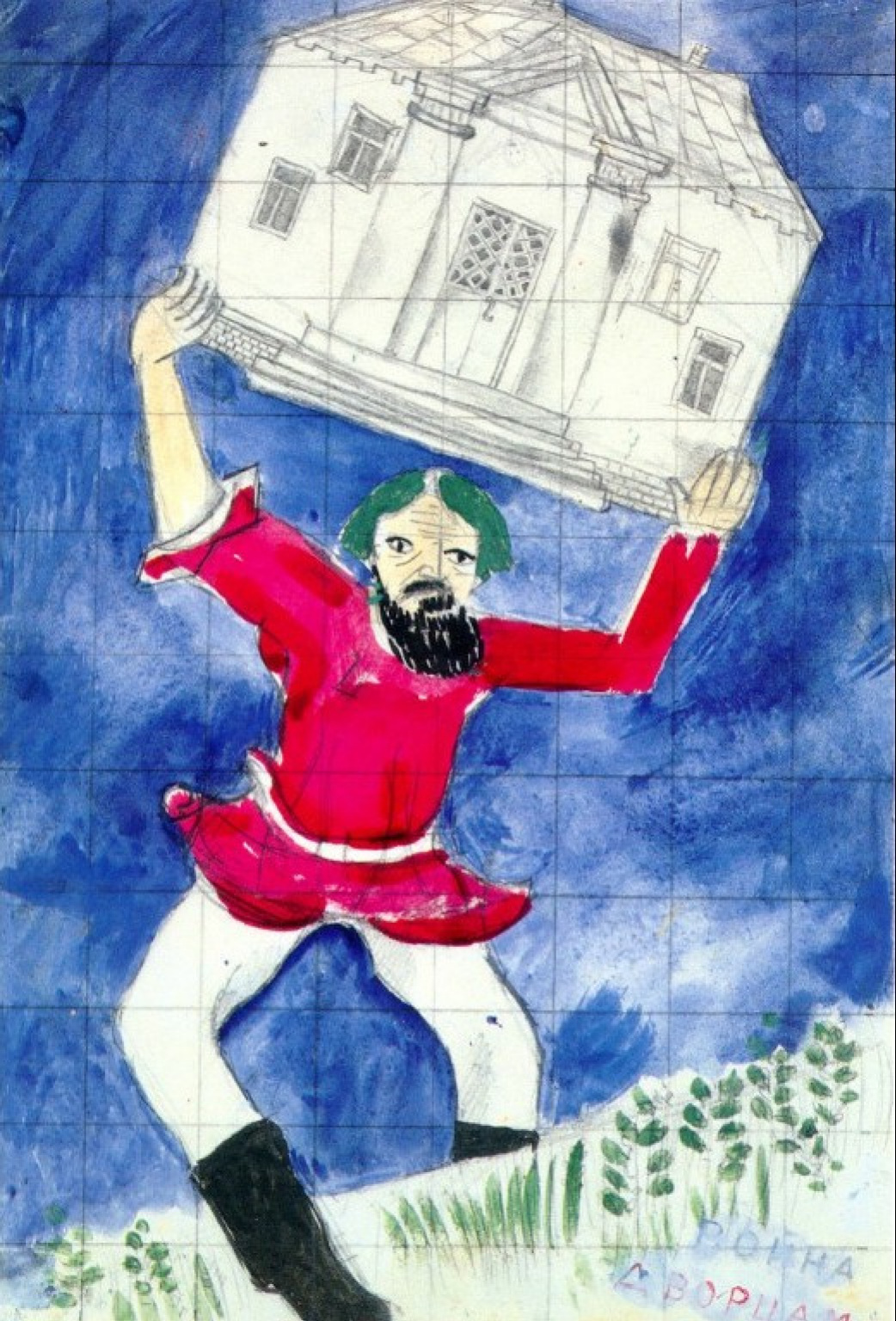
War Palace Mark Zakharovich Shagal1
918cooperation Chagall, as a representative of the authorities, with local artists, artisans, crew for and the like public had voluntarily-forced character. Chagall created at the school something like an Arteli distributing orders-this, of course, also did not added to him in the city of friends.
However, the role of Malevich should not be underestimated. Chagall was a mockery, a envy, a household burden as long as he had his business. The loss of the disciples, who collectively moved under the supretic banners of Kazimir Severinovich, made his stay in Vitebsk not only difficult, but also meaningless.
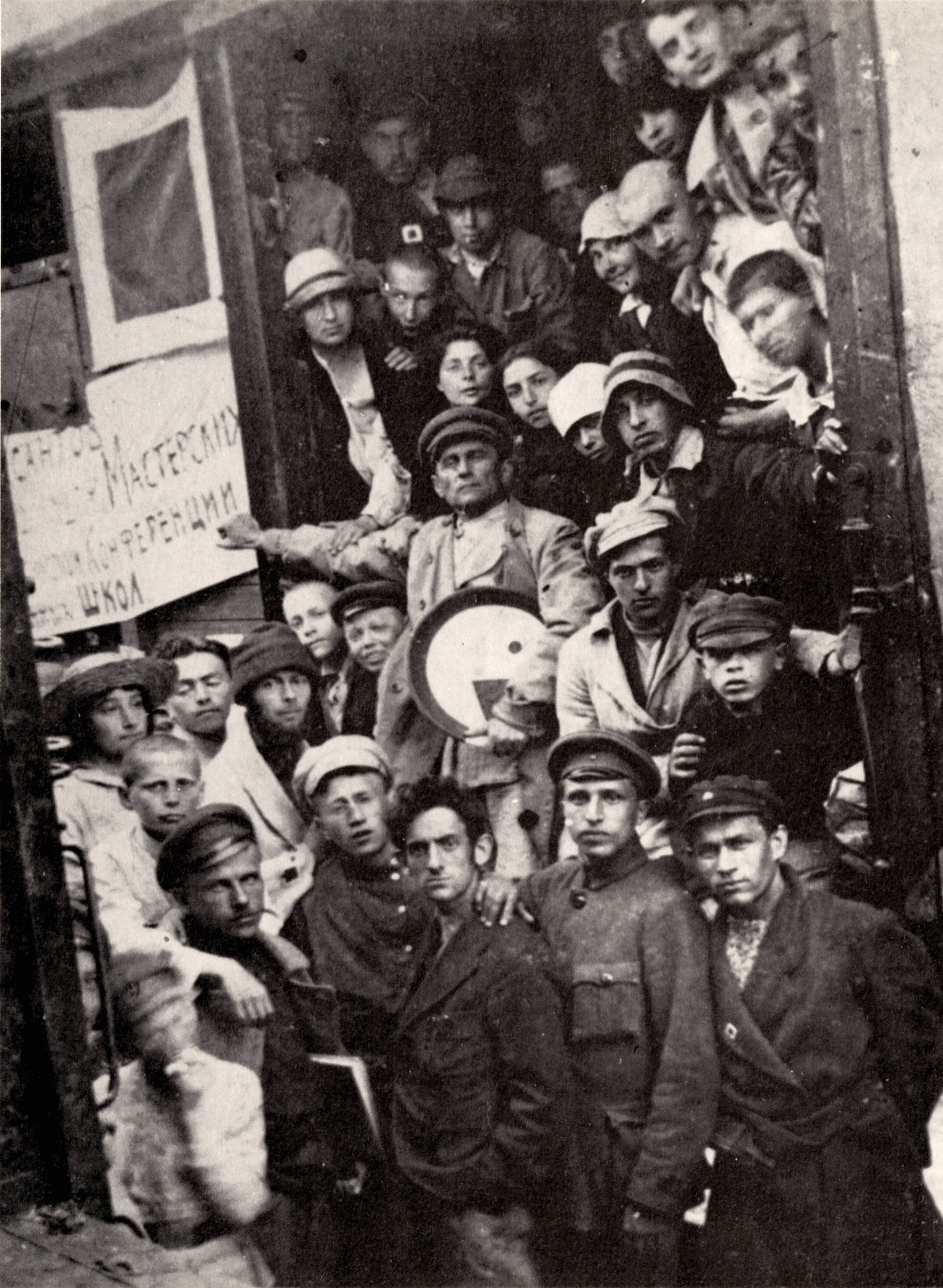
Kazimir Malevich and Unovis. Vitebsk. 1920. The winner does not get any
in June 1920 Malevich with his flock went to the exhibition in Moscow. There is a picture taken on the day of departure at the Vitebsk railway station: The Unovisovtsi hang out from the crowded wagon with bunches of grapes, their shepherd in the center, to the heat of Pripilena the supreatitic icon-the black square.
The biographers believe that Marc Chagall was leaving Vitebsk on the same train forever. Paradoxical irony: Malevich and Shagal rode one train in opposite directions. The first to be worn to a short but still triumph. The second — betrayed, humiliated, and unconvinced — was sent into exile.
In two years Shagal will leave for Germany, and from there it is moved to Paris. He will receive French citizenship. He’s getting married two more. He will be awarded the prize of Erasmus and the Knight of the Legion of Honor. The French government will order him the painting of a 20-metre plafond in the Paris Opera Garnier, and in the Louvre-an exceptional case-would pass his life exhibition. Marc Chagall will live until 97 years.
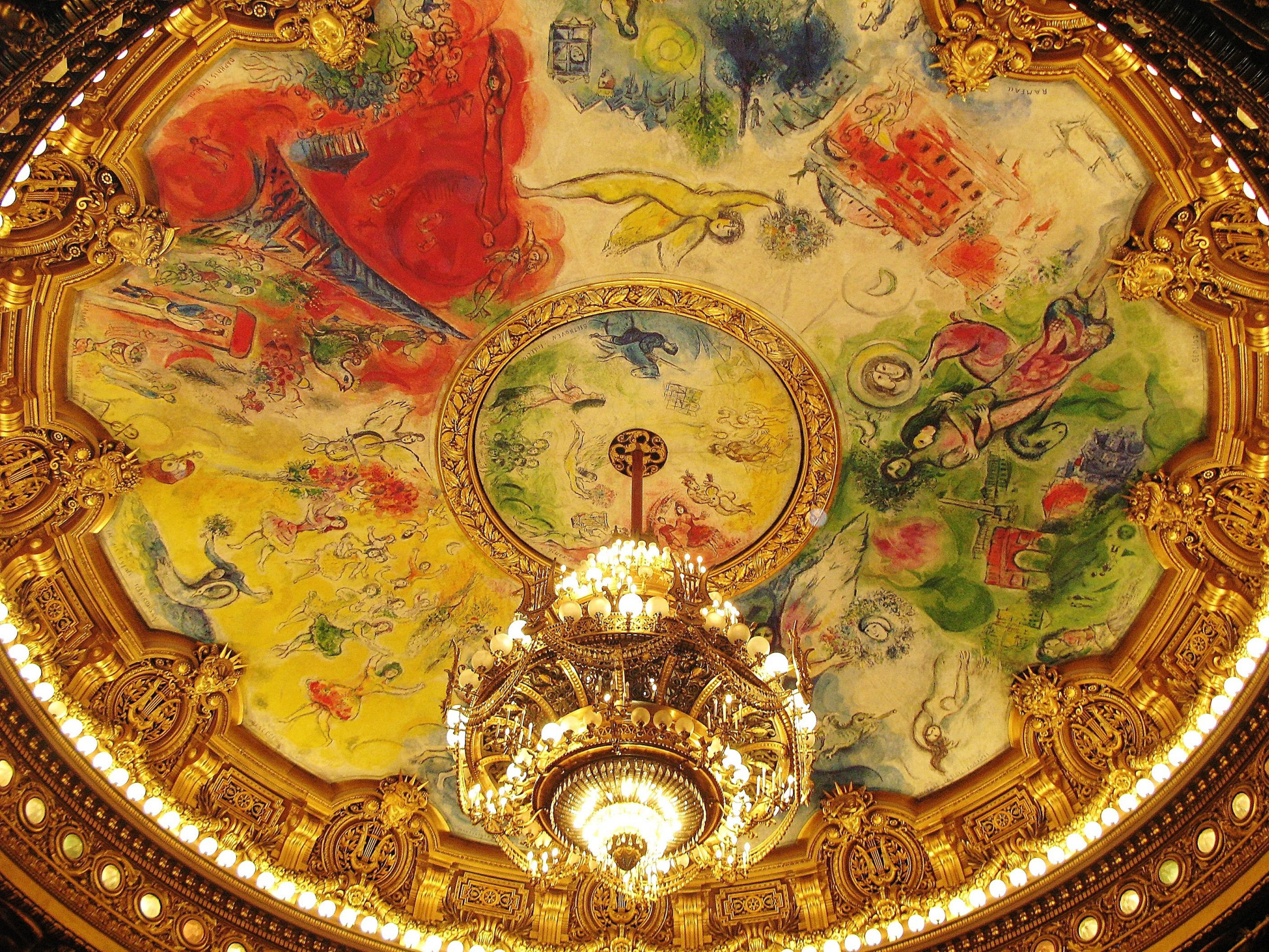
Painting ceiling plafond Paris operymark Zakharovich shagal1964further Way Malevich will be marked by very different milestones: accusation of espionage, prison, poverty, opal, cancerous tumor, death in 56 years.
In the fate of Chagall Malevich (how here again not to remember Bulgakov?) played the role of the force that always wants evil and always makes good. With the amendment that he personally did not want Shagalu, of course, he did not want. Kazimir Severinovich was the element embodied in the idea of revolution, he had no matter who or what to overthrow. Repin. Serov. Chagall. Painting as such.
In 1973, Marc Chagall-already in the status of a world celebrity-visited the USSR. But I didn’t get to Vitebsk. Whether it was feared not to know the native city. On the contrary, I feared that too painful memories would fly. He painted this city until his death, Vitebsk motifs can be found even on the ceiling in the Opera Garnier. However, the ousted from Vitebsk Malevich hardly considered the enemy. In his book “My Life” he recalled old grievances to many. About Malevich in the book-one single and quite neutral sentence.
This was the amazing war: no hatred, no fighting, no winner. The war, which was surprising, first of all, that it was not.
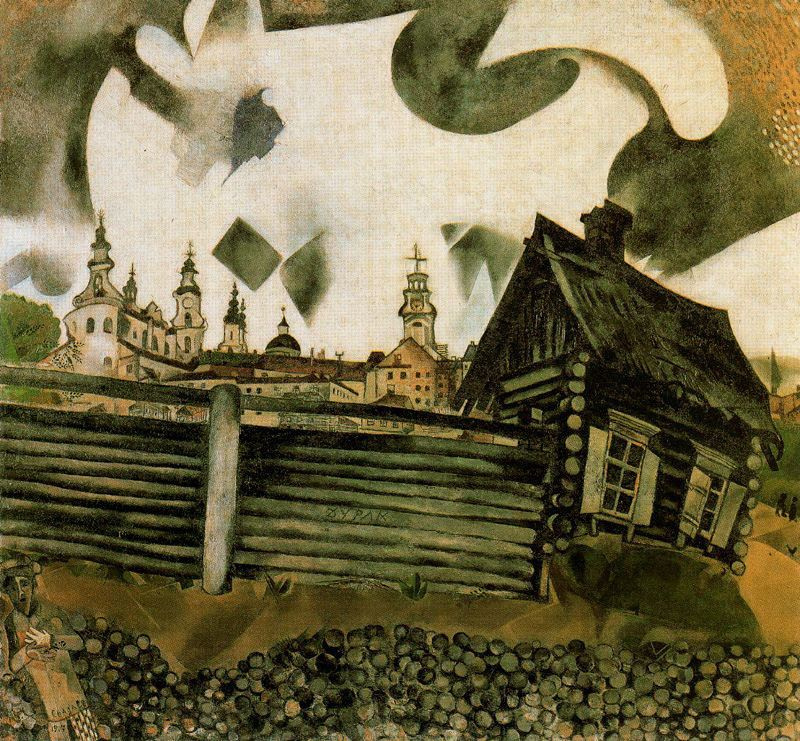
Grey houses. Vitebsk, 68 × 74 Smauthor: Andrey Zimyalodov
Main illustration: On the left is Marc Chagall. Self-portrait with seven fingers. 1913 On the right is Kazimir Malevich. Self portrait. 1910 G.