
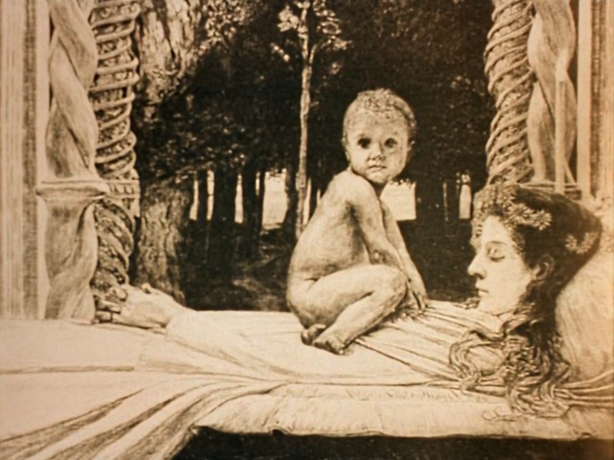
Oleg Teptsova’s film “Mister Decorator” became not only a loud debut for its authors, but also introduced to the general public the works of Western European Symbolists. The painting is already inseparable from the graphics and painting of Odlon Redon, Franz von Stuer, Max Klinger, Jean Delville, Arnold Bøklin and other masters, and the visual series leads his line parallel to the plot of the script. And the most fatal twists of the first Soviet mystic thriller illustrate the work of the Belgian painter Jean Delville.
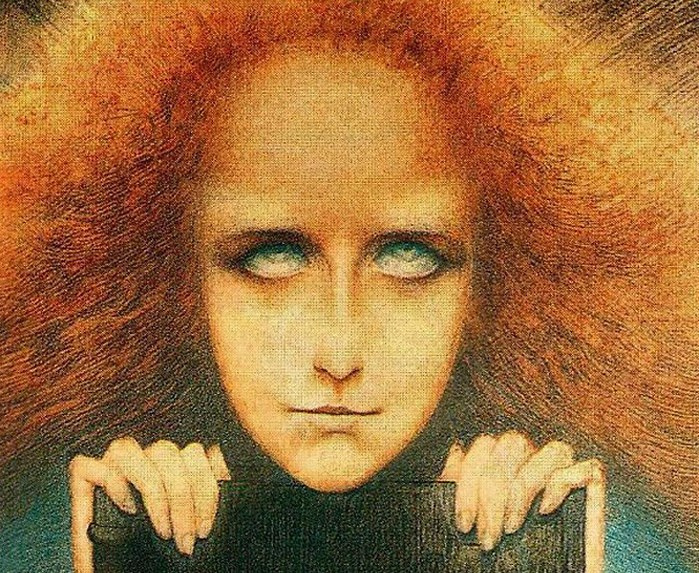
«… It is a matter of truth which we try to comprehend and comprehend with the help of art. “
Silver Age: Art, aesthetics, decadence
The film based on the story of Alexander Greene “Grey Car” was filmed on the eve of the collapse of the Soviet system, at a time consonant with the alarming 10th years of the XX century. The talent of director Tepltsov, screenwriter Yuri Arabov and the hypnotic music of Sergey Kurekhin perfectly transferred entourage, moods and fears of the Silver Age.
The authors have caught and poetic symbolism, and the aesthetics of decadence with its cult is not just beauty, but beauty, born into the decoration.
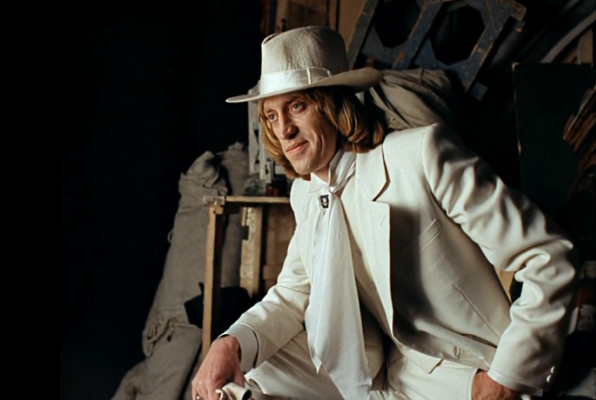
- A frame from the movie. The main character-artist Plato Andreevich
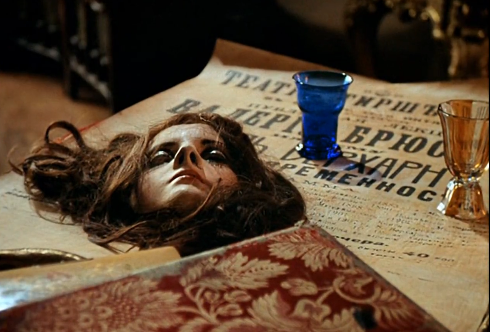
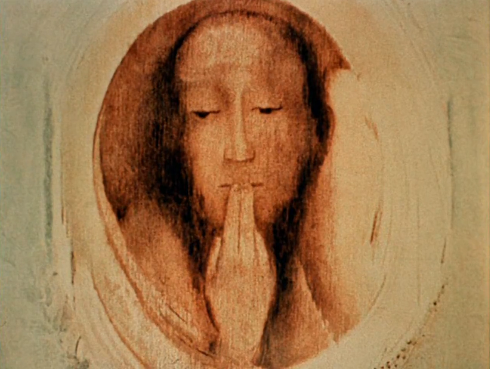
- A frame from the movie. Dummy-Mary Mask
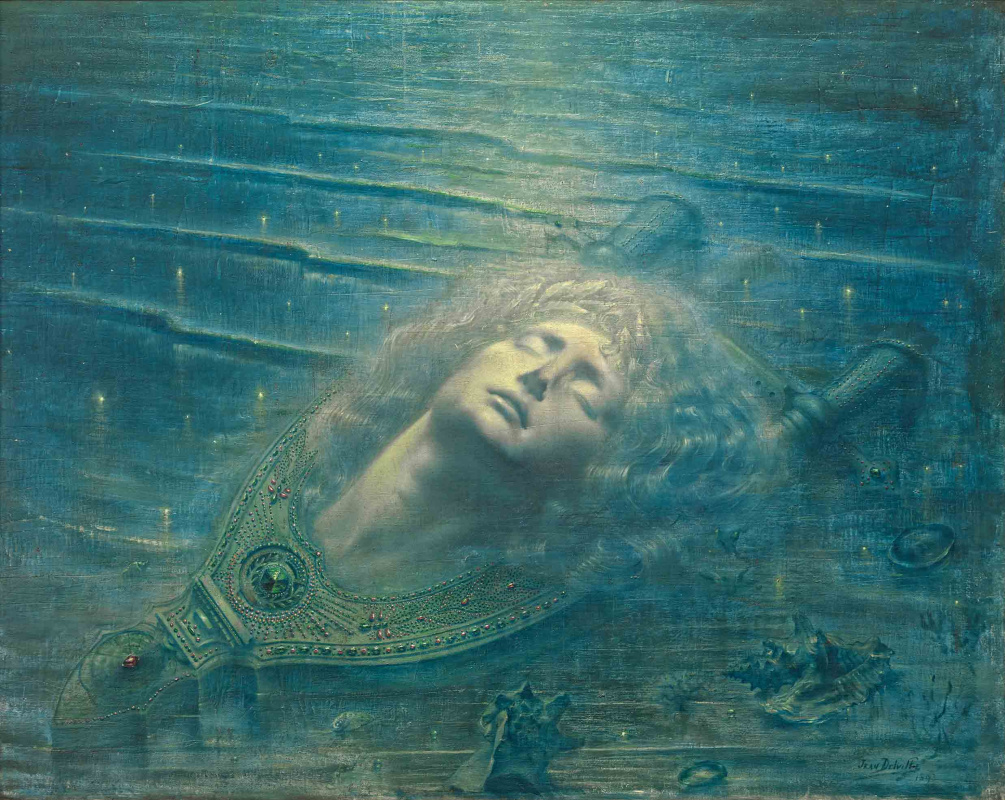
The death of Orfejan Delville 1893, 79.3 × 99.2 the desire of people to erase the boundaries of art and daily life leads to the substitution of nature by skillful dials on. Not accidentally, in the year of its release (1988), “Mister Decorator” was recognized as a film-manifesto of “decadent cinema”.
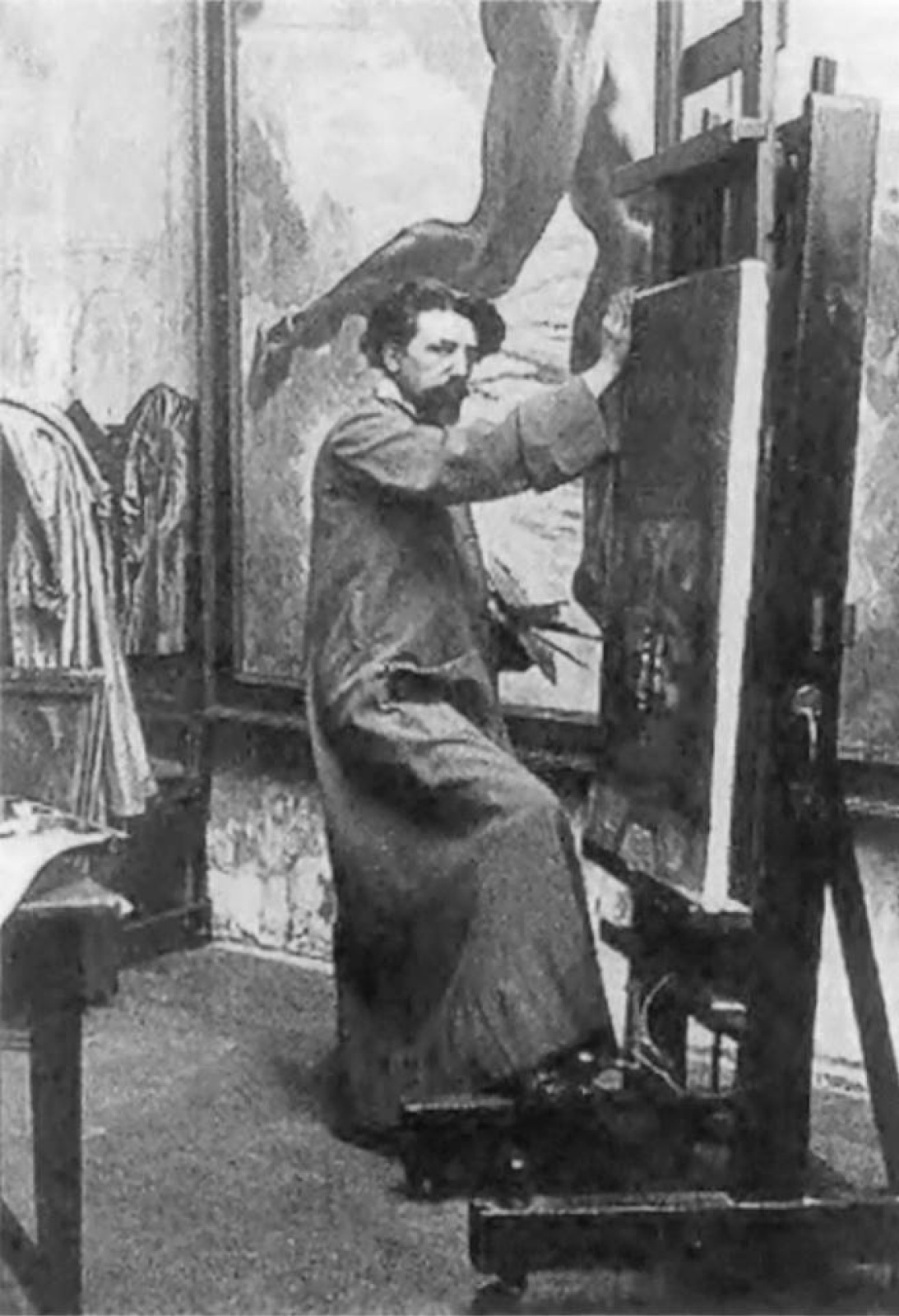
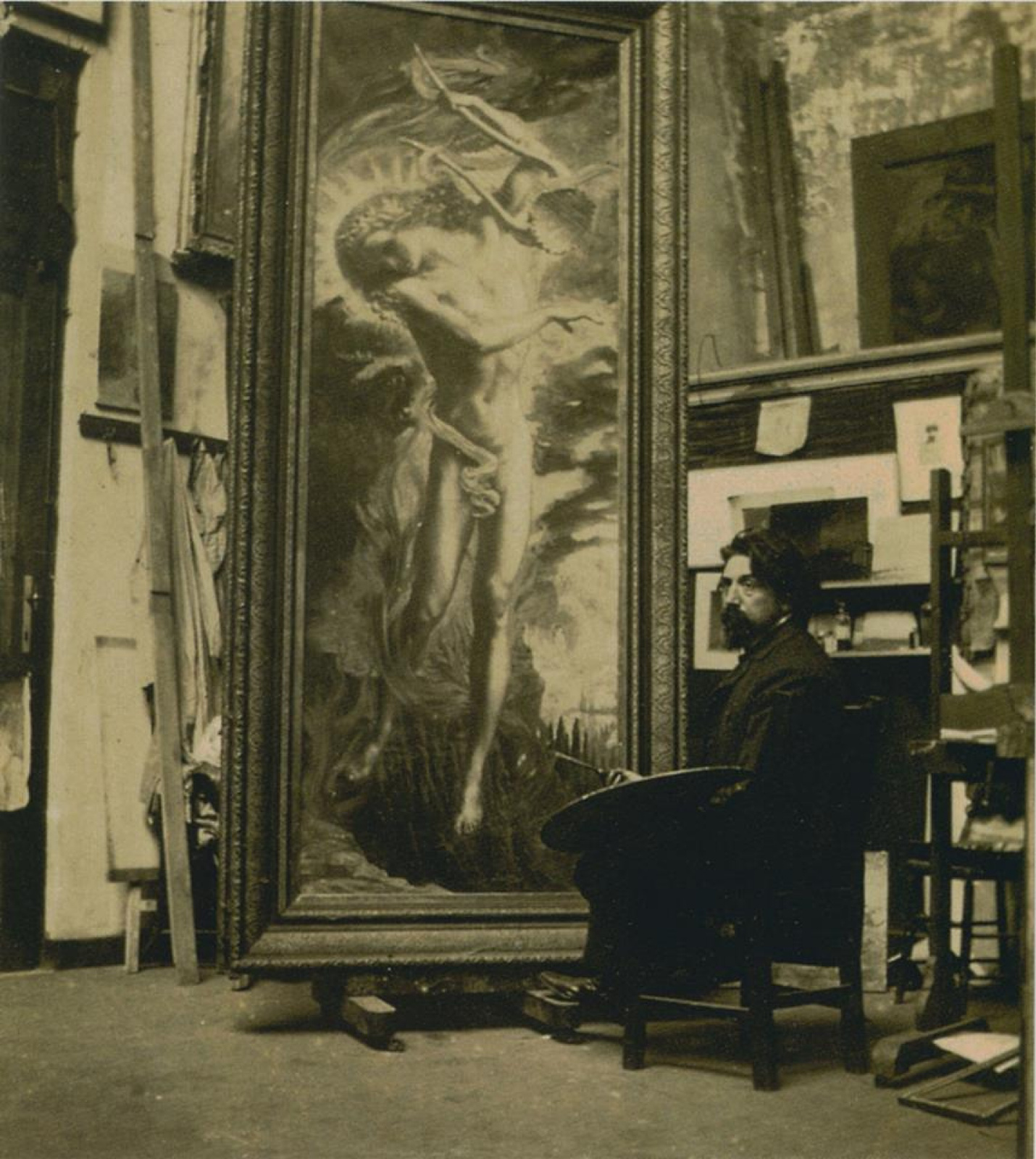
Resvnextzhan Delville. SOURCE Photo 1, photo 2.
Nature and Fake
The famous designer Plato Andreevich is obsessed with the idea of eternal life. He dreams with the help of his talent to improve the world, overcome death and prolong the life of man on canvas or in marble. Fate gives him a chance: he receives an order from the jeweler to decorate the shop window. As a model for the manufacture of mannequin artist chooses young Anna, dying from the consumption of tea. And, as if in anticipation of the creation of some perfection in the vision of Plato Andreevich appears “portrait of Mrs. Stuart Merrill” Delville or, as is also called the picture, “La mysteriosa” (mysterious).
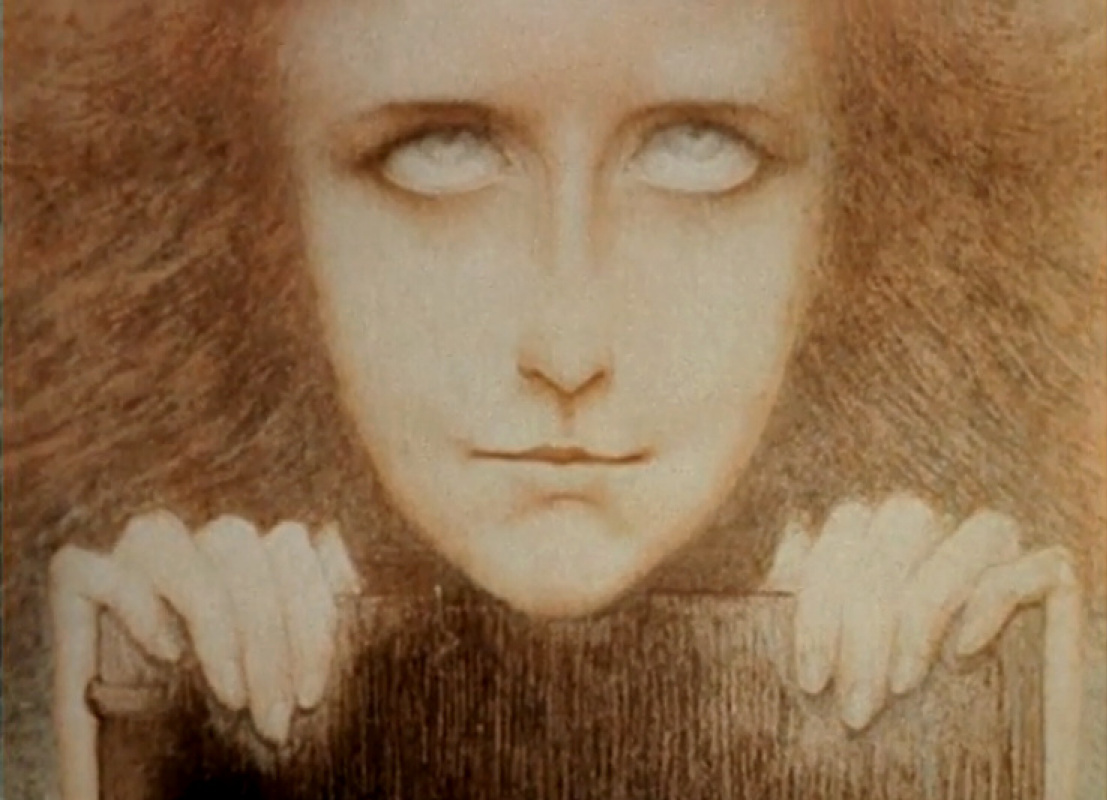
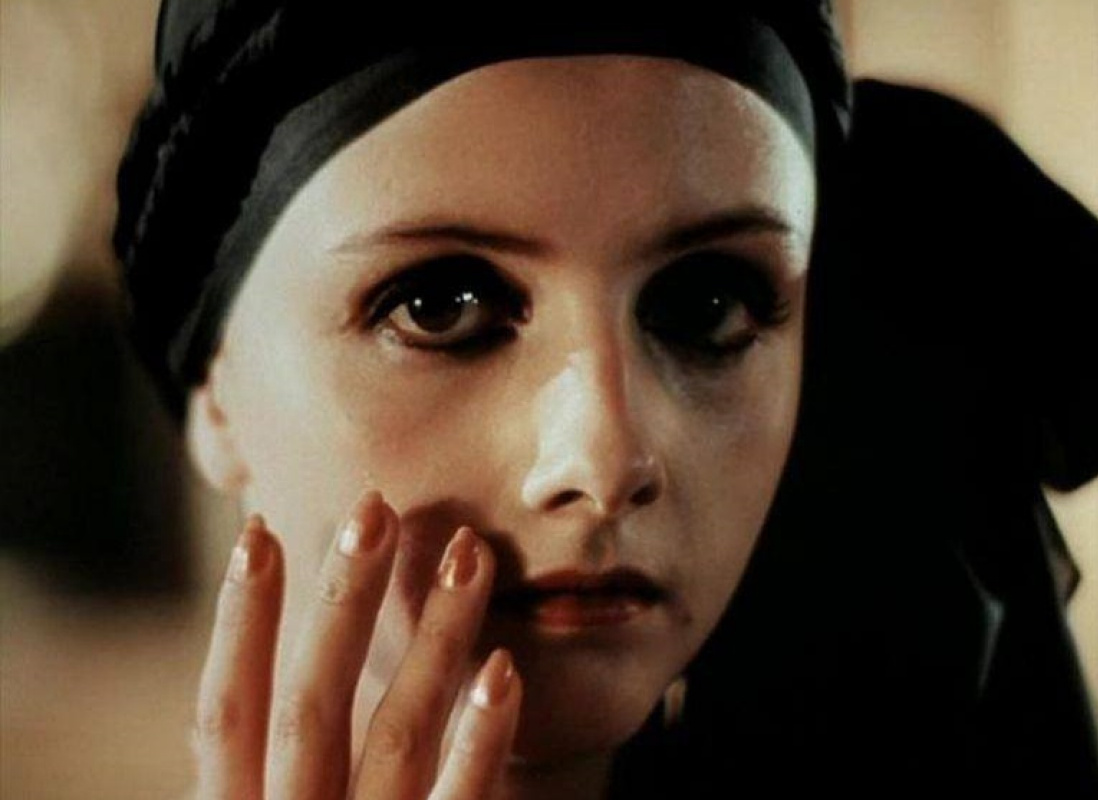
Shots from the film “Mister Decorator”. Left: Painting by Jean Delville. Right: Actress Anna Demyanenko in the role of the main character (sou
rce photo) in the film The picture repeats twice as a perfect image, not existing in reality-the mystique of this canvas allows connoisseurs of art Delvilya to define it as “occultivist (decadent) to Mona Lisa. “
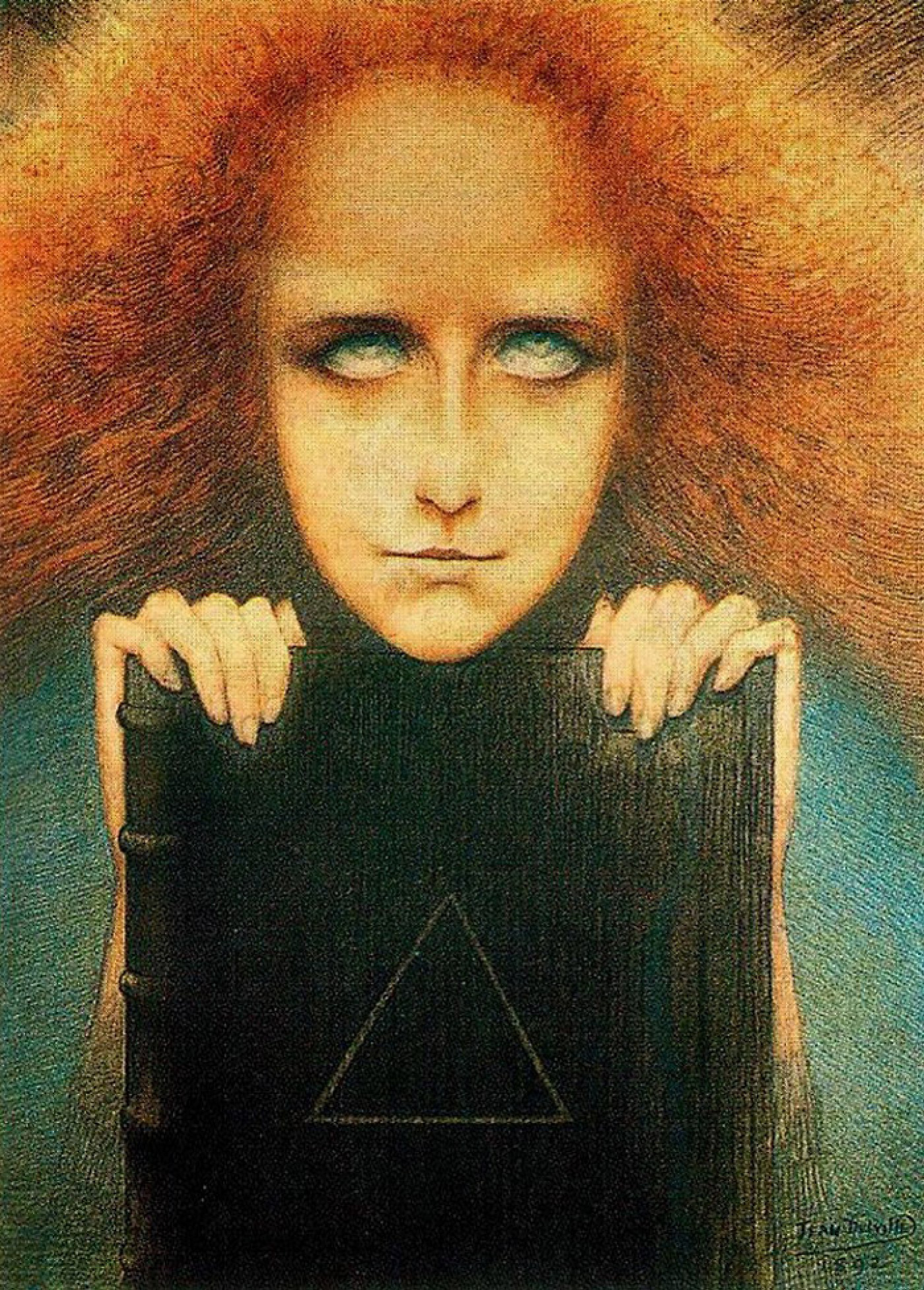
Mystery. Portrait of Mrs. Stuart Merrilljean Delville 1892, 40.6 × 33 The portrait, made by the artist, is not associated with a specific person, but represents as an abstract individual, medium, in the state of trance. However it can be interpreted as “absolutely Masonic portrait” both on a composition (orientation on a mountain vertical), and on a colour decision (spectrum from cold to heated tones corresponds to purification of aura). Here we see the important Masonic symbol: The triangle is a symbol of all penetration of the creator (Trinity). Delville actively promoted the ideas of occultism, founded artistic associations like “the Salon of idealistic art”, was a member of the order Rosenkrezerov, made a rapid career in the Masonic Lodge and reached the highest degree of dedication… To whom, how not to him to illustrate a mysterious, mystical film? Biography of the artist in Arthiva.
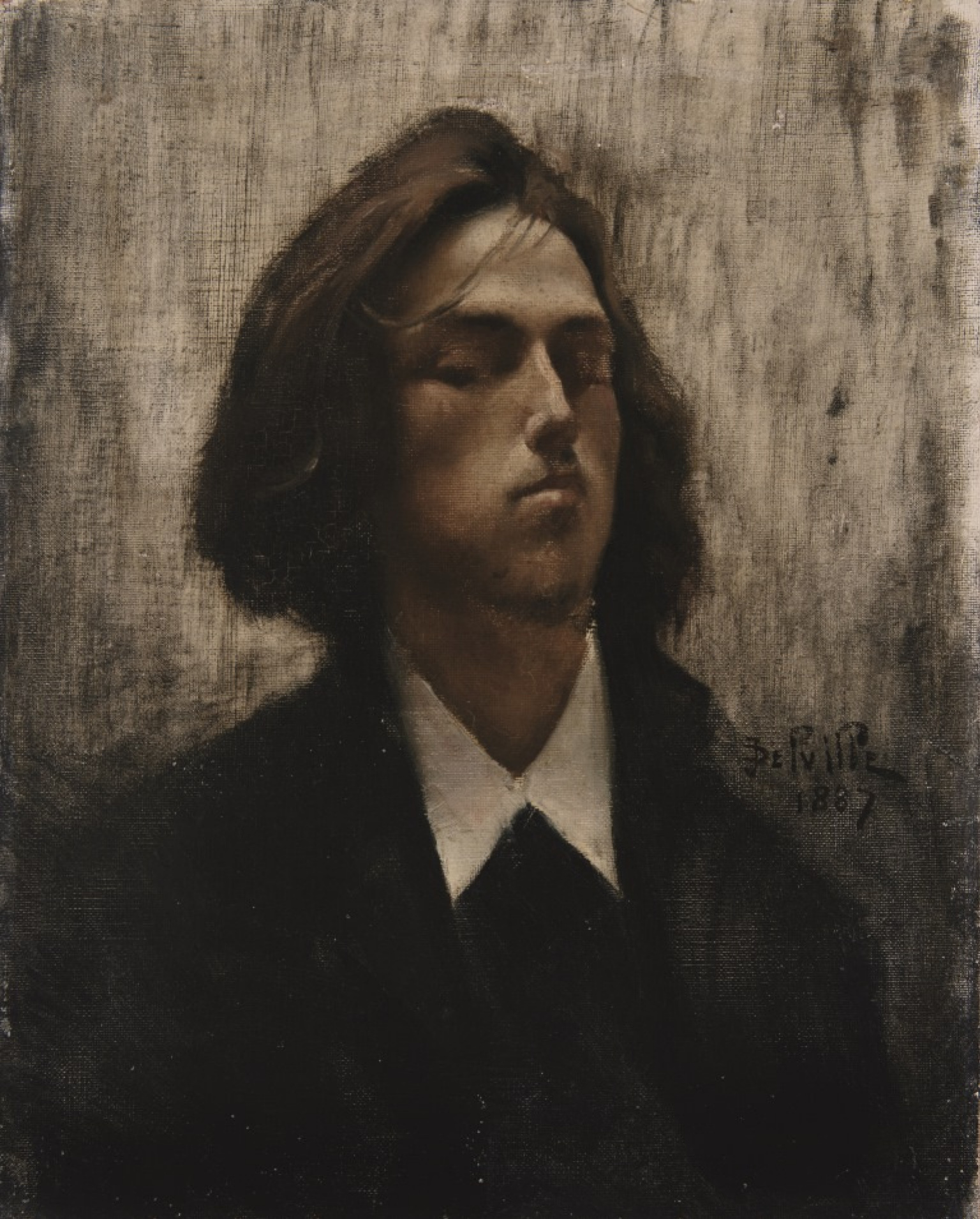
Self-portrait of Delville 1887, 55 × 45 cm, for Jean Delvilya The motive force in art was the idea of beauty, his statement on this occasion can be attributed to the portrait:
“Beauty in the metaphysical sense is the manifestation of the absolute. The radiating rays of harmony from the sphere of the divine, it crosses the intellectual level, so that, once again flashing at the level of nature, fade into the matter.
“The same ideal of beauty is driven by Plato Andreevich, and he in the image and likeness of a poor girl creates her own The best dummy. With all the passion of creative nature, the master gives this work his mental, and even vital forces. The mannequin becomes a sensation, and the artist pays for this creative crisis, breaking up with himself.
Divine rivalry
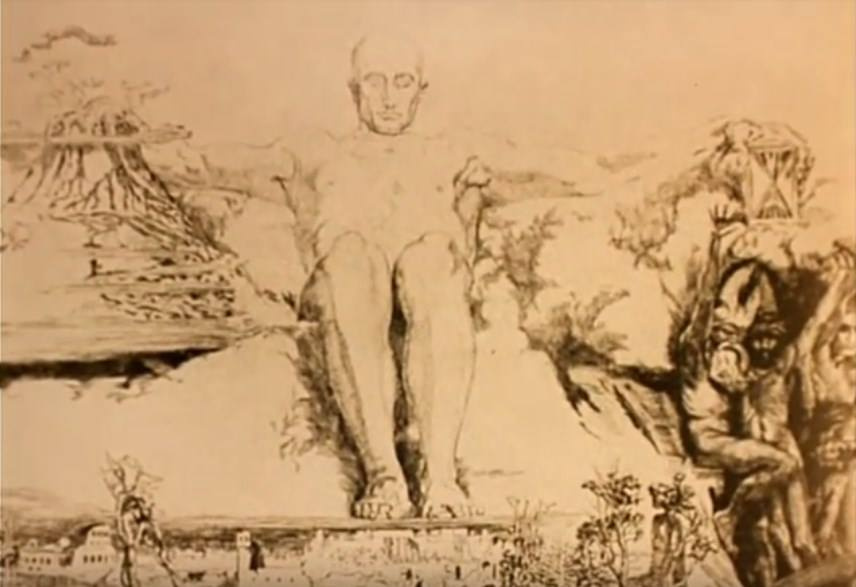
While working on the mannequin in the vision of the artist “born” the second picture of Jean Delville-“Treasures of Satan.” A twisted solid stream of naked bodies flows under the giant figure of Lucifer.
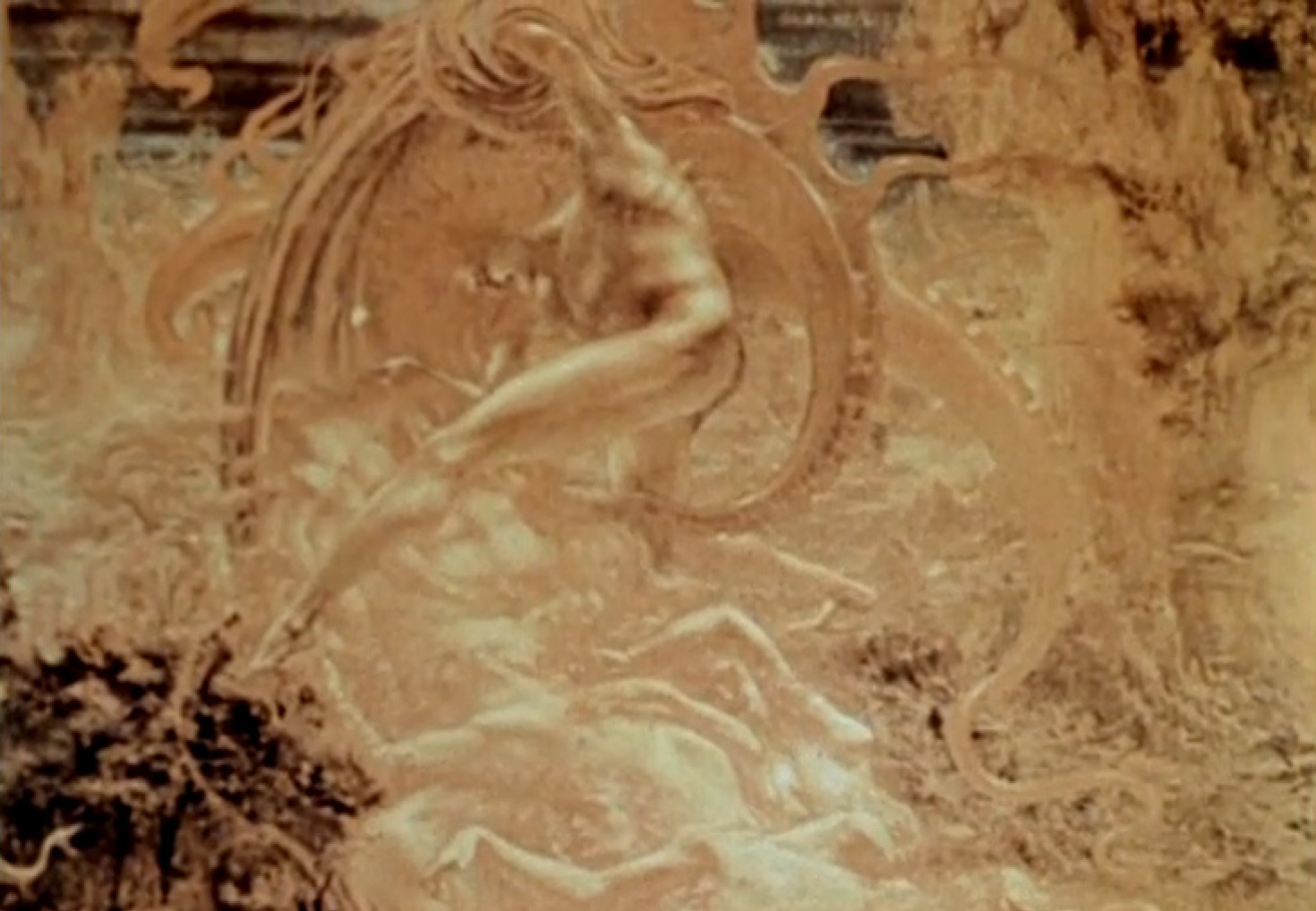
A frame from the movie. The artist’s vision
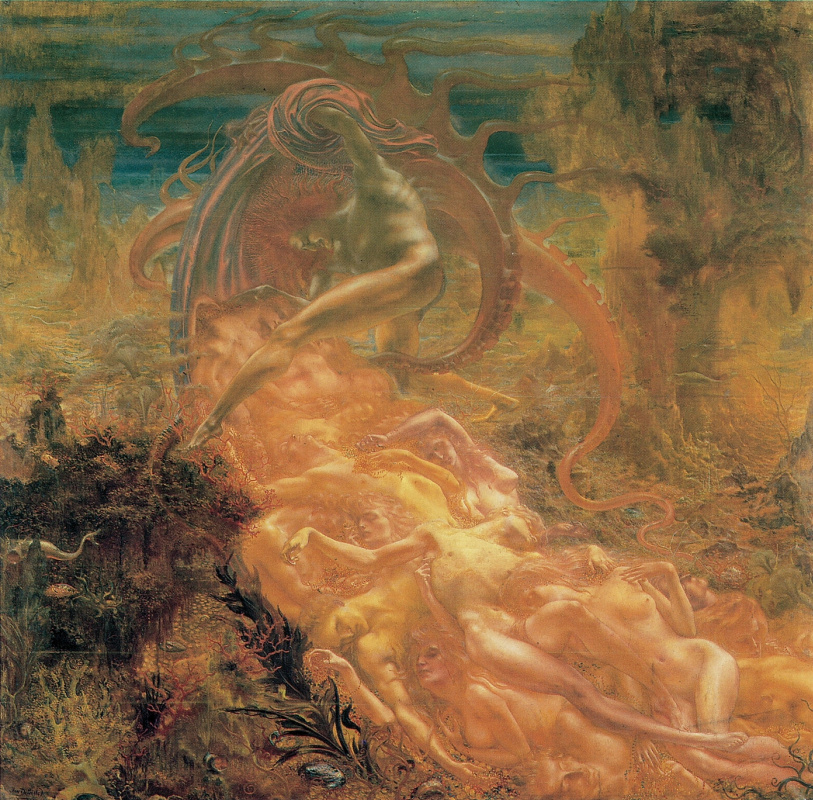
Treasures of Satan Jean Delville 1895, 258 × 268 the appearance of this Inferno Demiurga becomes a symbol of one of the key themes of the film-the divine rivalry. To his new customer, Mr. Grillo, the decorator says straight: “… We are rivals with him… He’ll do it and I’ll finish it. ” Platon Andreevich is convinced: “… Everything the creator has created is not fit for human life. ” Here the artist appears as a man of his time, when Beauty becomes a universal benchmark, including the universe. Therefore he cherishes the dream to be not just a successor of the art work of the Almighty, but to create another, parallel created by God, a perfect world.
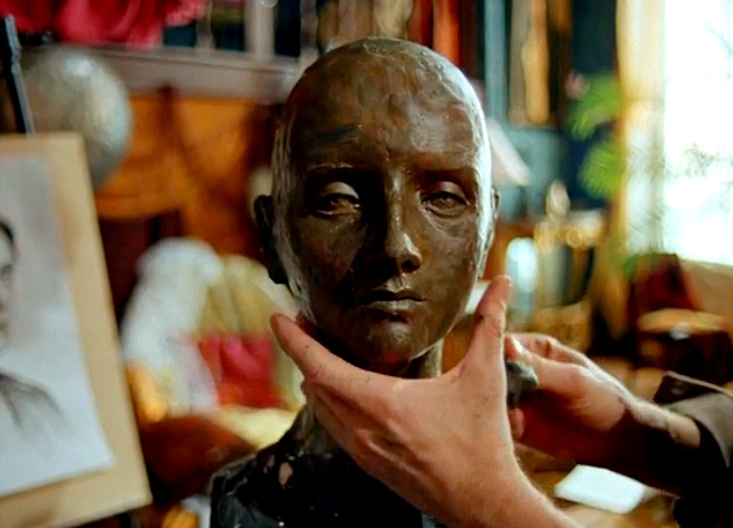
A frame from the movie. While working on the mannequin, having lost his fortune over the years and losing his former success, the artist has to admit: “This one with Halo always beats me while he is stronger.” The master has not yet guessed that this time he suffered another defeat. The wife of Grillo Maria, as two drops of water resembling the deceased six years ago, Anna, is his own creation. Though lively by some demonic forces, the doll still remains a thing without a soul, without the possibility to feel, to love. The literary critic and cultulosologist Yuri Lotman called such “pseudo life, dead movement, death, pretending life”.
Inevitability of retribution
“Attempt” to the role of the Almighty has not brought happiness to anyone, as the ancient texts warn. Ovidia in “Metamorphoses” collected a lot of myths, where everyone who dared to call God for a duel overtook Kara for blasphemy. And so close to Plato to Andreevich Pigmalion, fell in the stone, which he had made of rock, the GAL and the praying gods to revive her, also waited for fatal consequences.
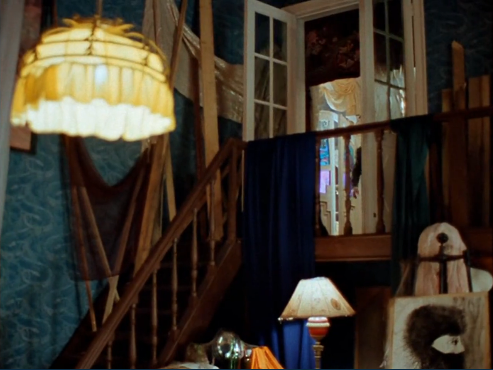
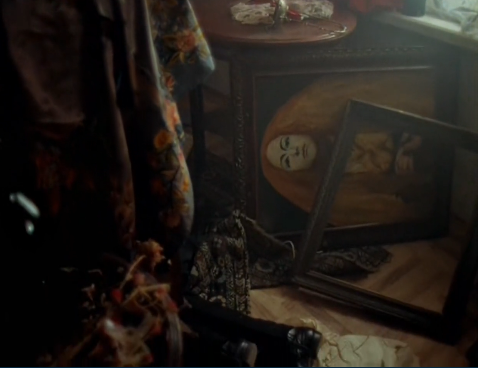
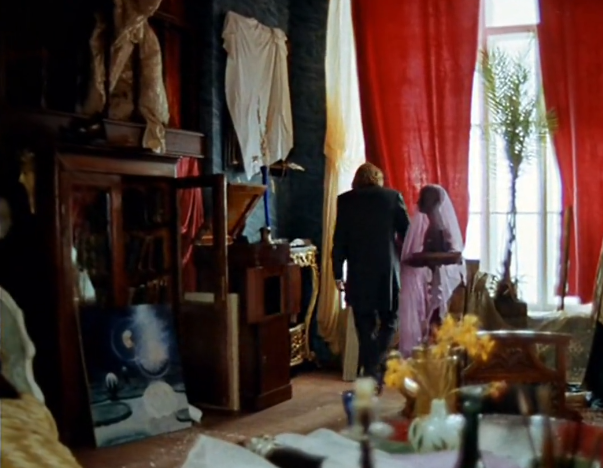
The painting “The end of the kingdom” by Jean Delville in the film as it would signify further events. This work of the artist, unlike the other two works shown in this story, is not a vision, the fruit of the imagination of Mister Decorator. The painting is “inscribed” in the interior of the workshop.
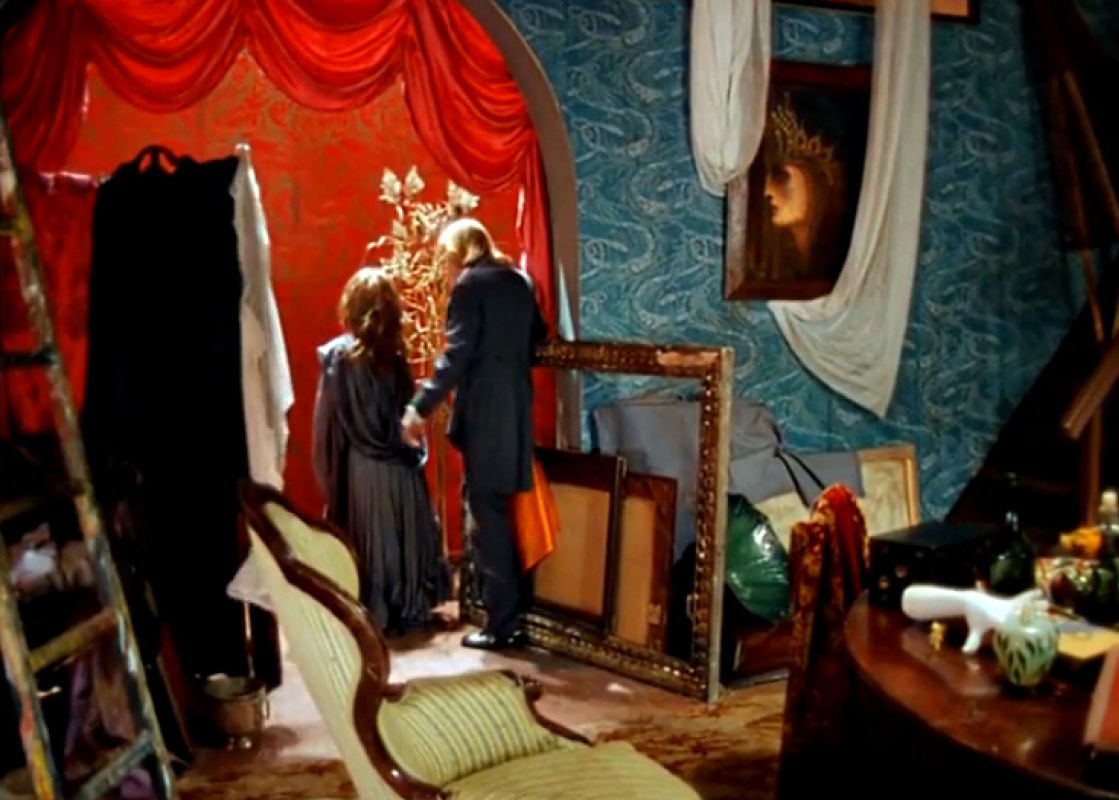

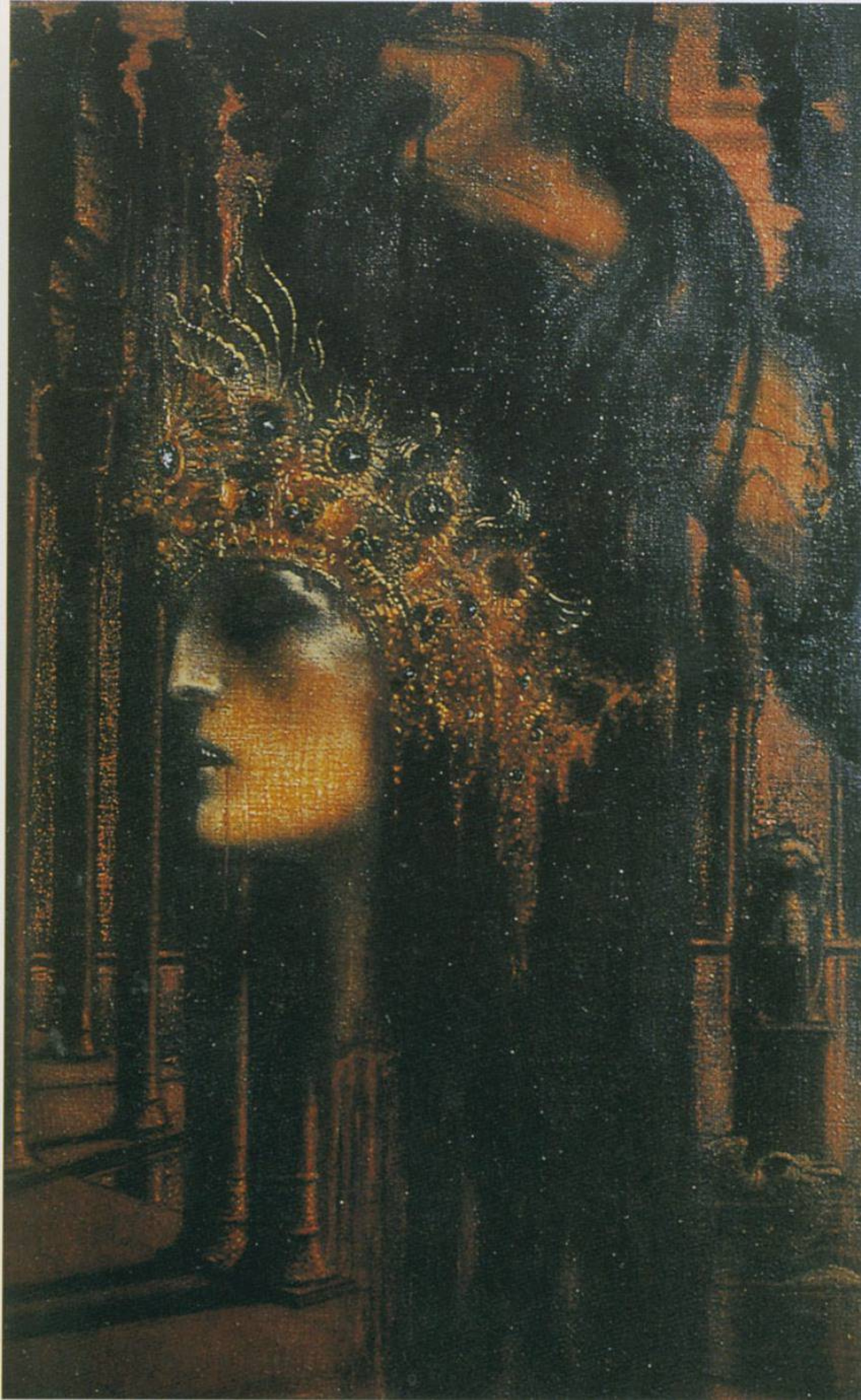
The end of Tsarstyzhan Delville 1893 its oppressive expressive-gloomy gamma is consonant with the surrounding picture of props: The mask from the dummy-Maria, lying on the first poster of Valery Bruusov’s lecture on Emil Vercharne, also manifests the “end of the kingdom.” The events of the film are already taking place in 1914, which means that the first World War will begin very soon.
In addition, in the bracelet, left by Maria in the studio, Plato Andreevich learns the same bracelet, for the effective display of which he created his favorite mannequin.
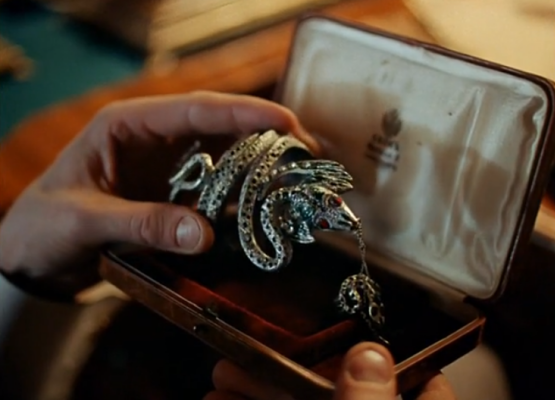
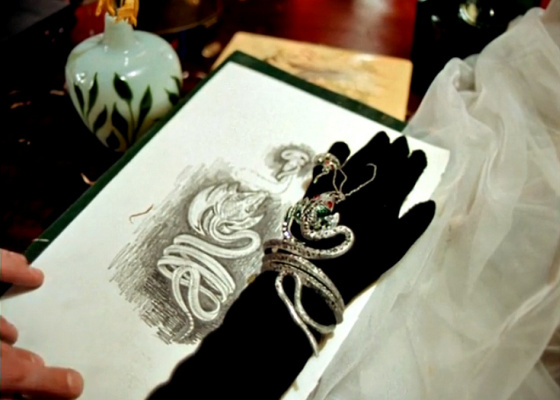
Interestingly, the decoration is reminiscent of the snake bracelet Sarah Bernard, made for her role Medea Alfonso Muha and George Fouquet. The bracelet of the Medei assassin proved to be just as deadly for all the victims of the Maria doll up to Plato Andreevich.
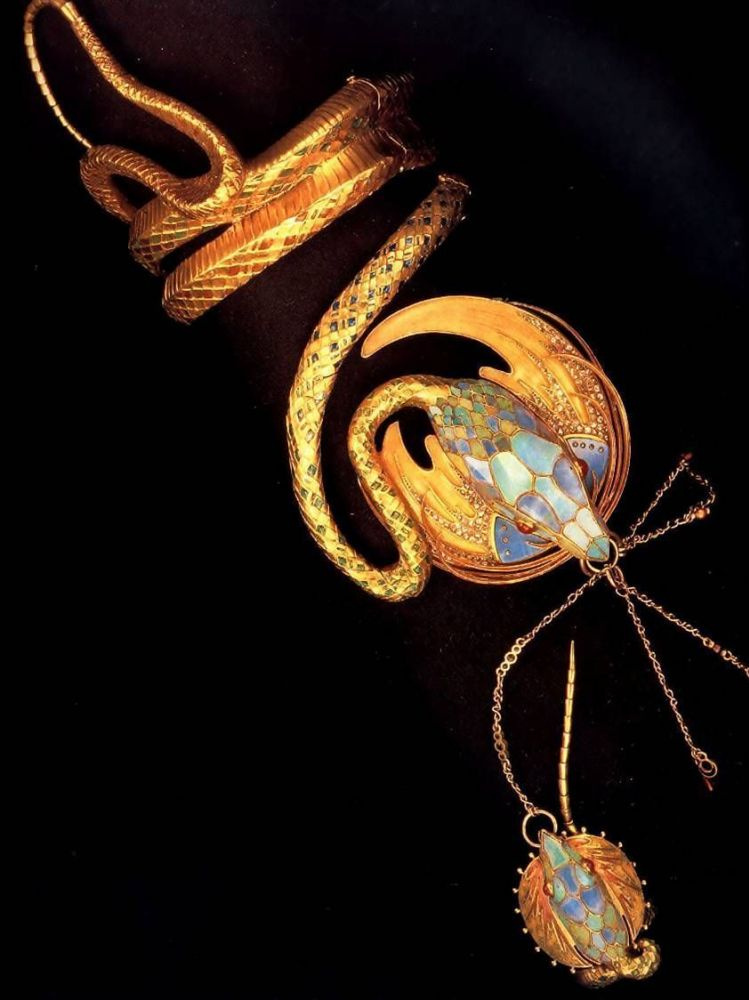
Gold bracelet “Medea” with a ring, 1899. City Museum in Sakai, Japonijachitajte also: Alphonse Fly-designer jewelry Paris jewelry House Georges Fouquet… The end of the old world is nearing. The activity of Russian symbolism in the 10th years of XX century began to gradually decline, and new time dictates new conditions. Plato’s admiration for the mechanisms is replaced by fear of being crushed by the oncoming artificial age of machines and time gears. This unanswerable fear of people of the beginning of XX century before cars was reflected in literature. In particular, in the story of Alexander Greene “Gray Car”, which screenwriter Yuri Arabs took as the basis of the film “Mister Decorator.”
The artist is disappointed in his beliefs when he “between the man and the doll has always chosen the latter.” It is now obvious to him that never the creation of human hands can be compared with the creation of the Divine, the dead will not be able to replace the living, even if he takes possession of his rights. But retribution for past misconceptions is inevitable: the out-of-control thing kills its creator.

“Beware of things! They very quickly and strongly enslave us “-warned Greene. The hero of the film” Echoes “The Art of artists-symbolists, artists-thinkers, artists-mystics. He himself — they are all: and Odlon Redon, and Arnold Boöklin, and Franz von Pieces, and Max Klinger… Shots from the film “Mister Decorator”
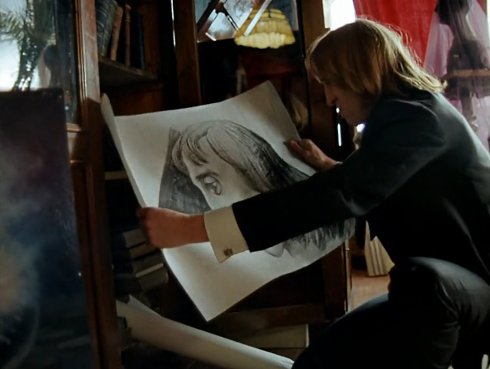
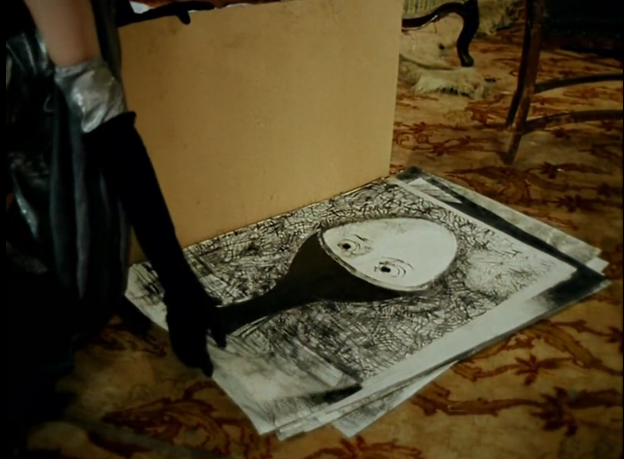


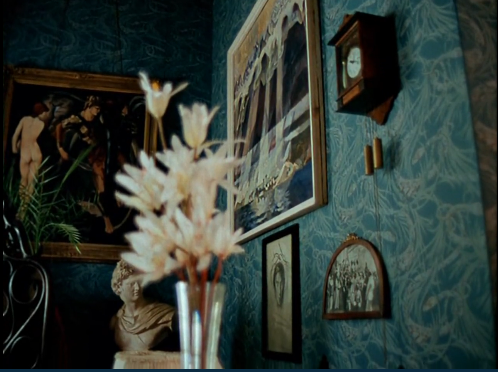
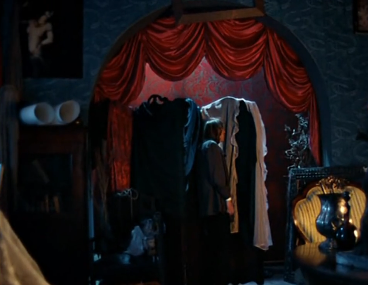


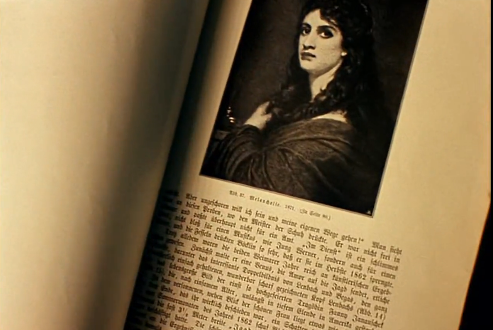

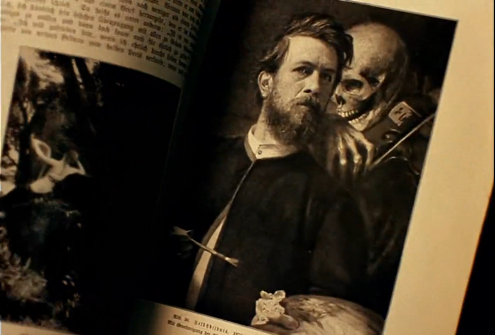
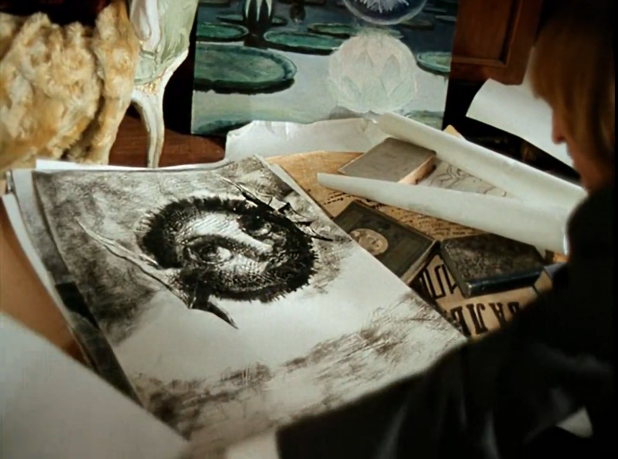
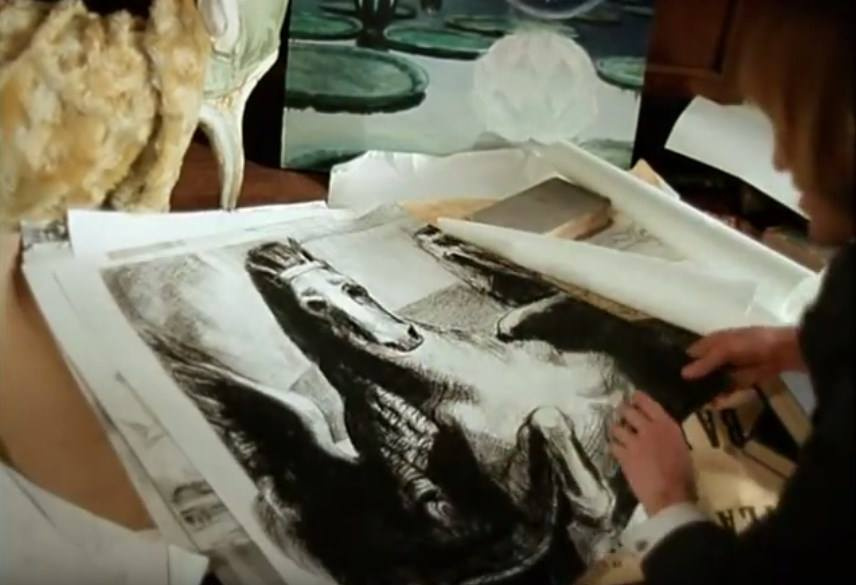
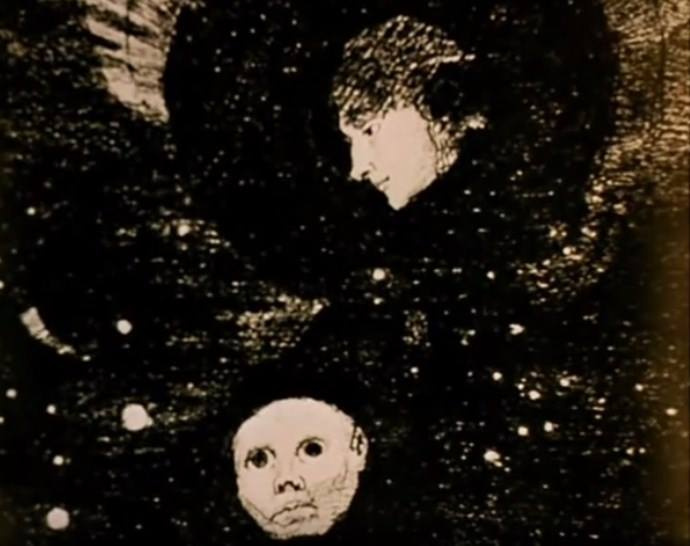
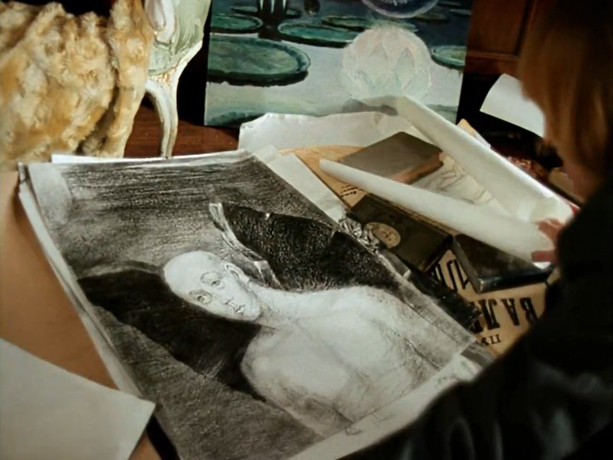
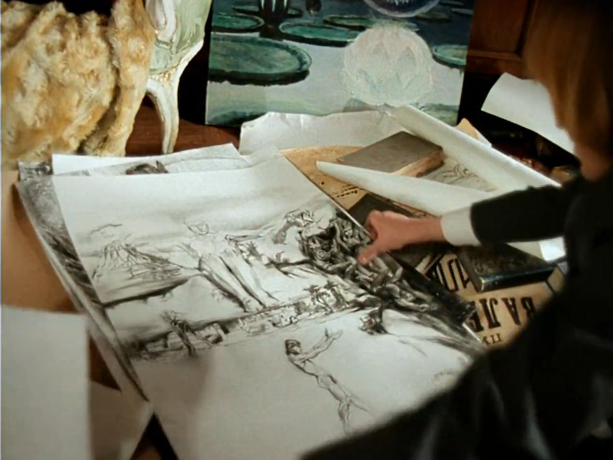
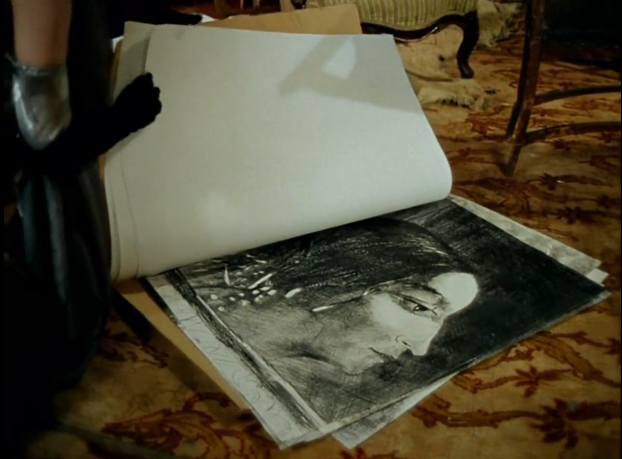
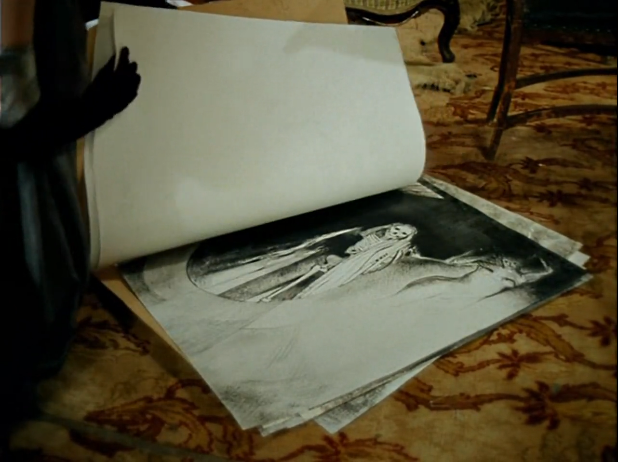
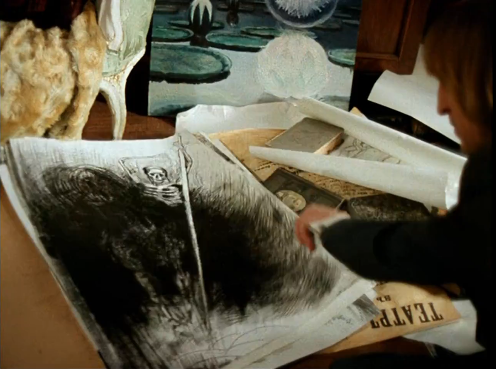

The pictures and drawings of the painters-symbolists
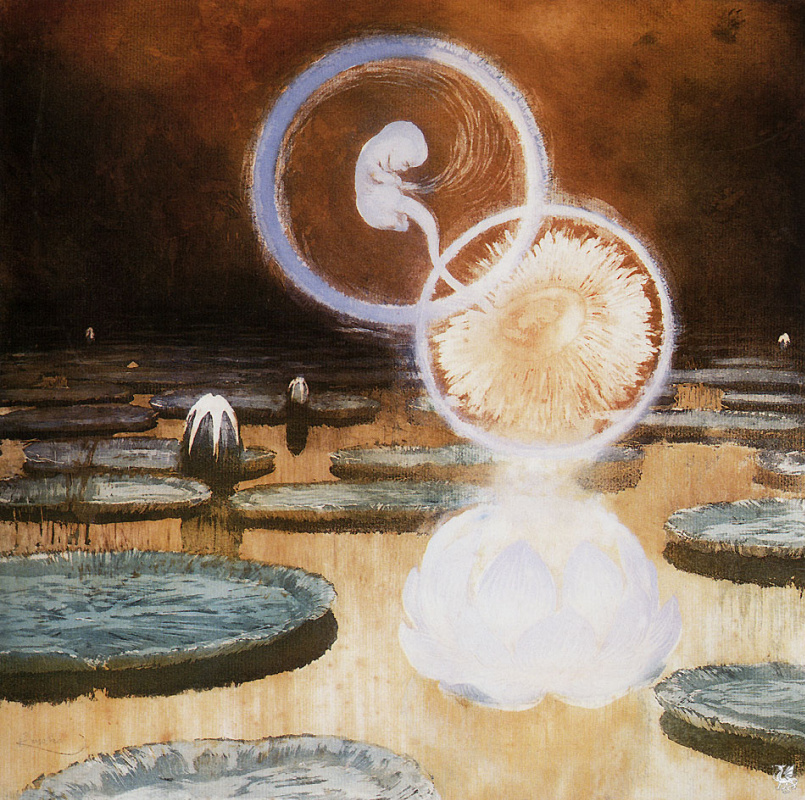
Beginning of Life František Kupka1900, 34 × 34 cm
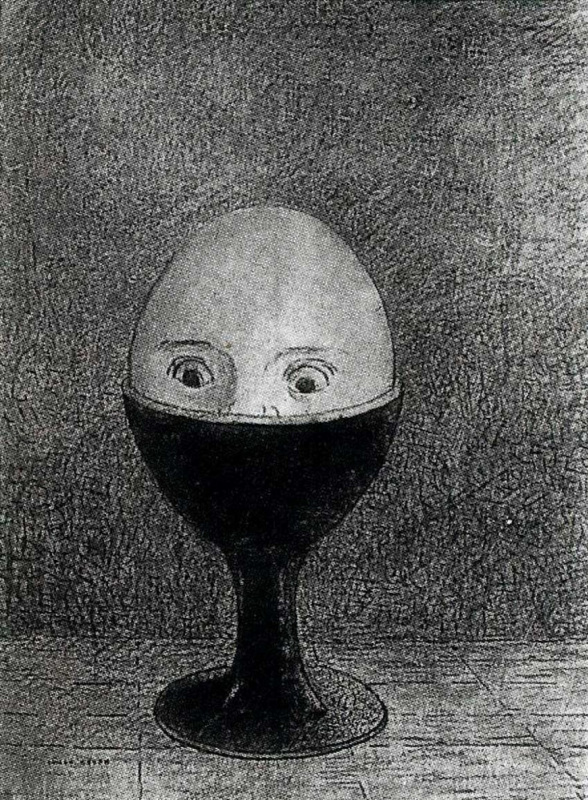
Egg-Oodilon Redon 1885
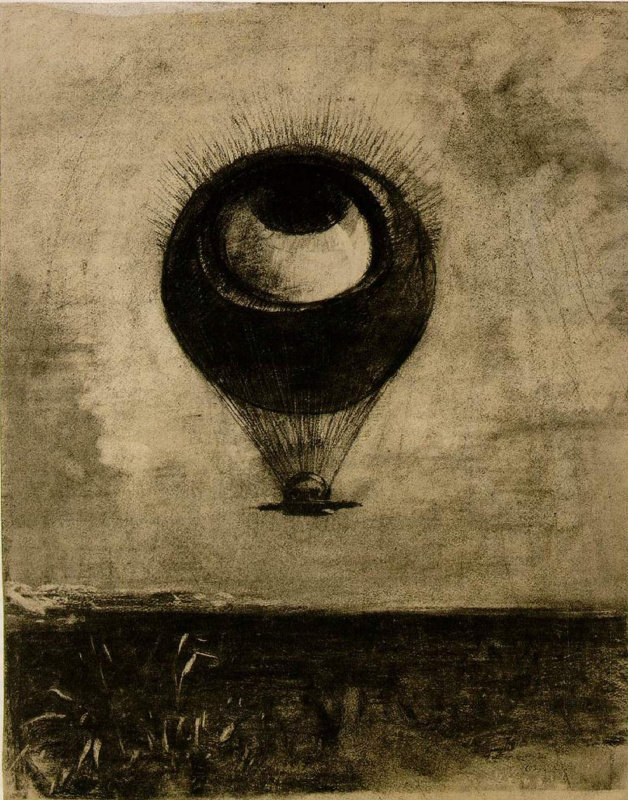
Eye-Air Sharodilon Redon 1878, 42.2 × 33.3 cm
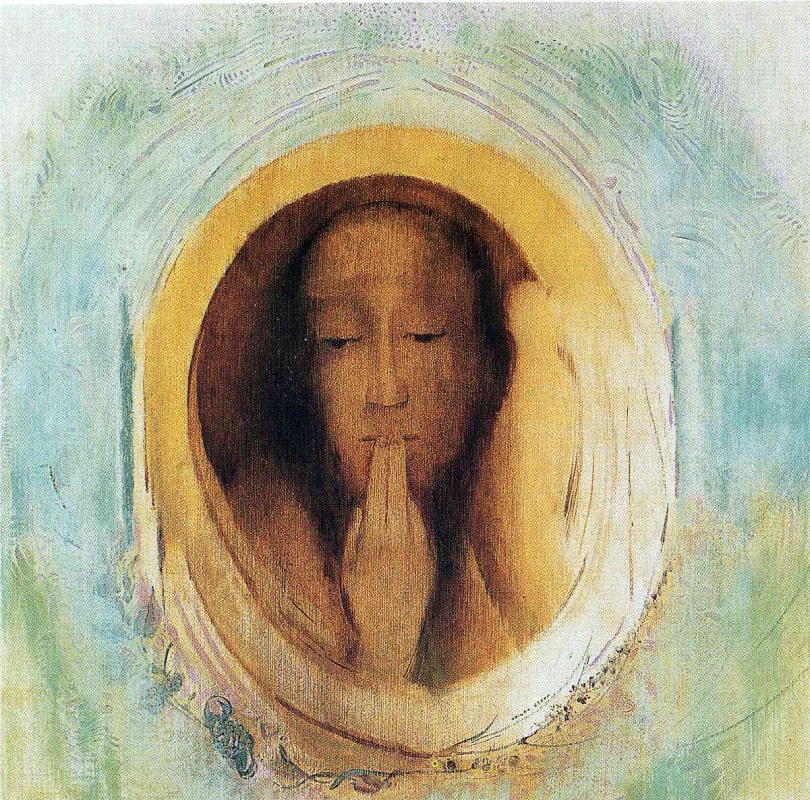
Silent Dialon redon1911, 54.6 × 54 cm
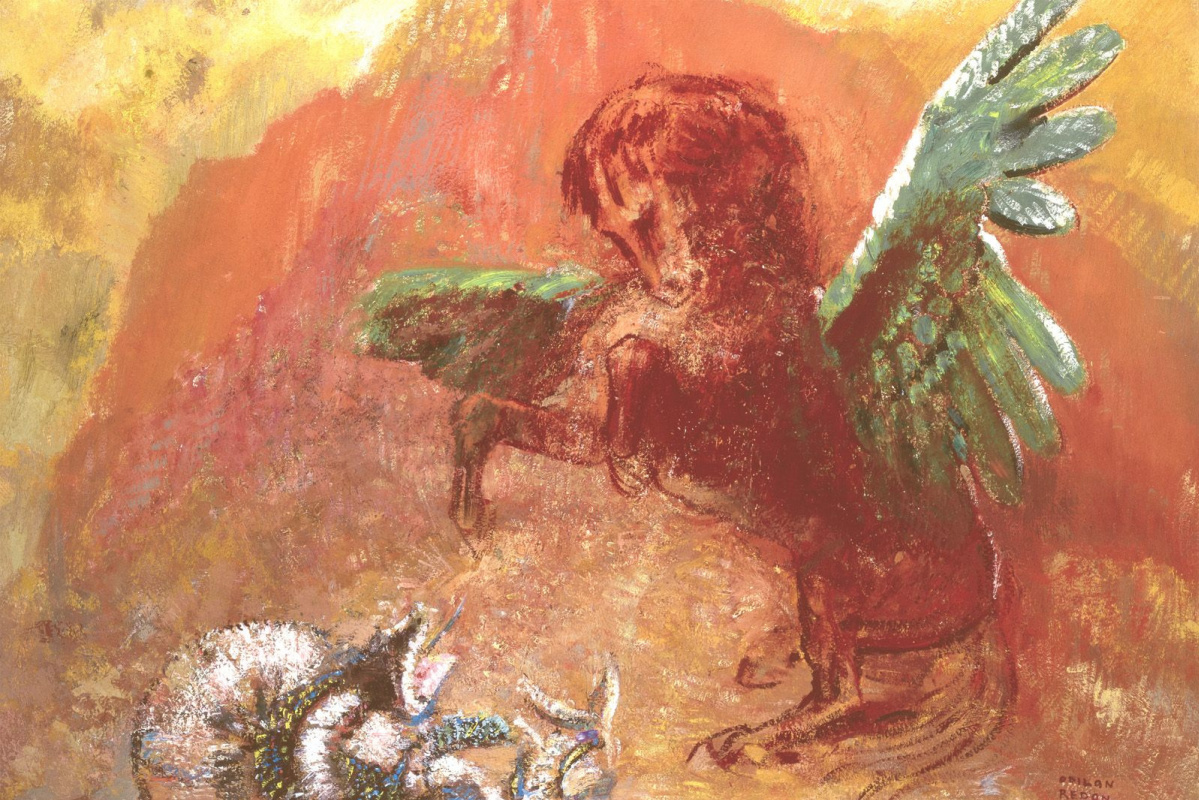
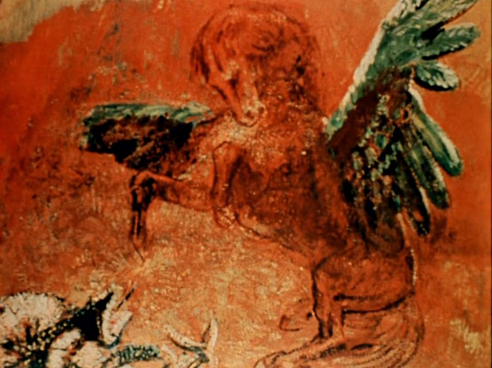
Pegasus and Hydrodalon redon1907, 47 × 63 cm
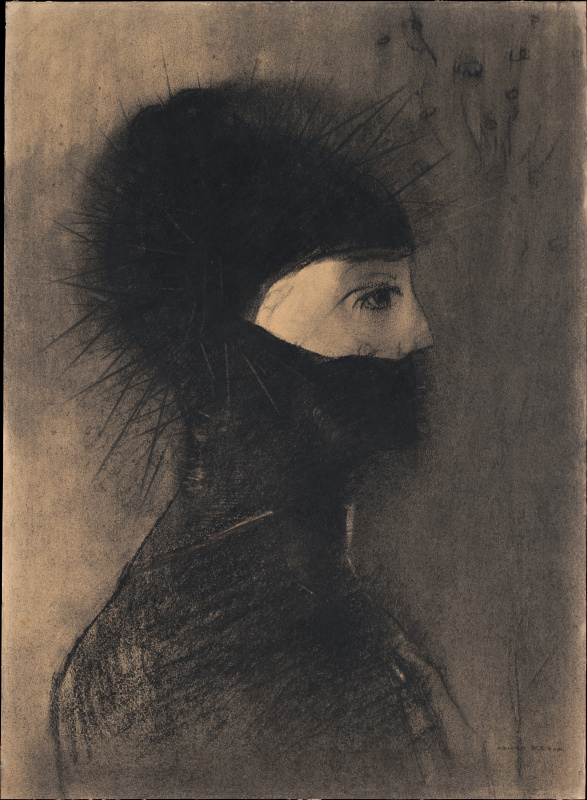
Bronnyodalon Redon 1891, 50.7 × 36.8 cm
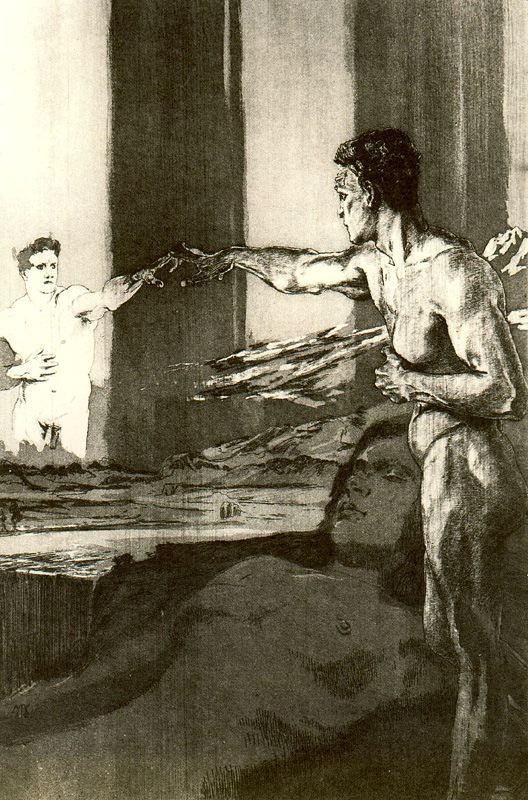
Philosophical Max Klinger
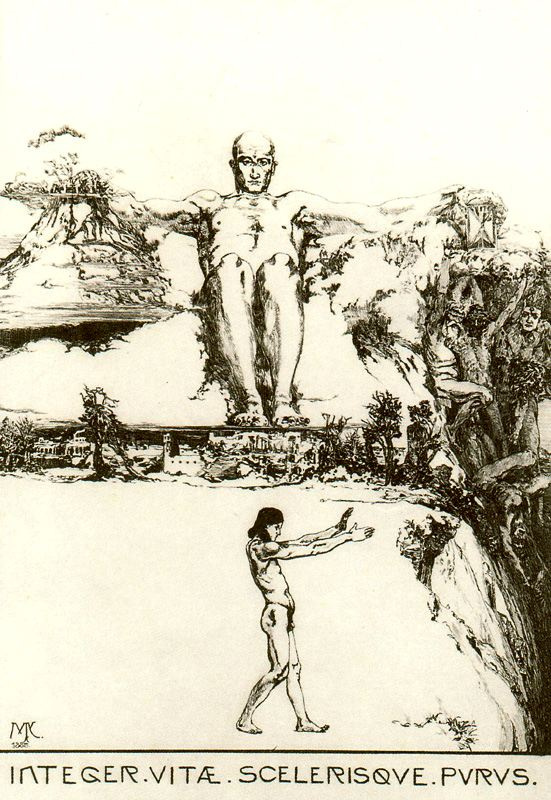
Integer Vitaemax Klinger
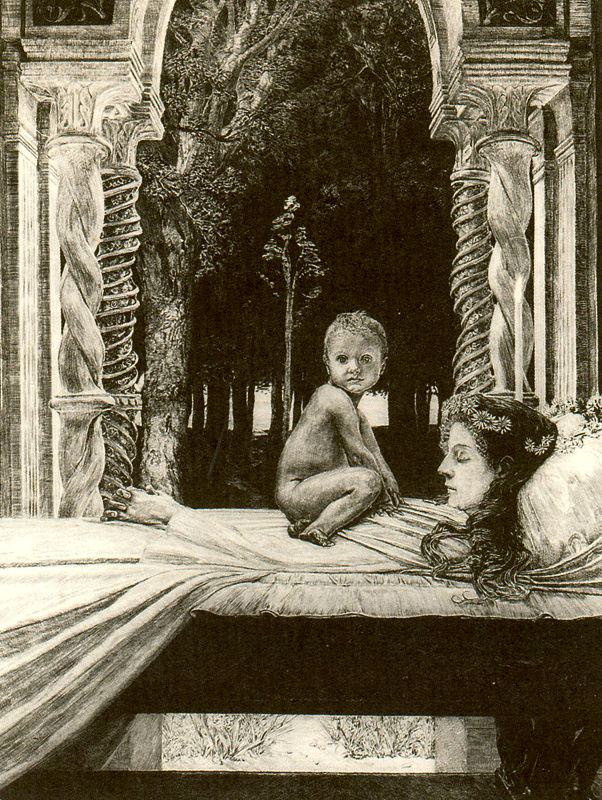
Dead Matmax Klinger
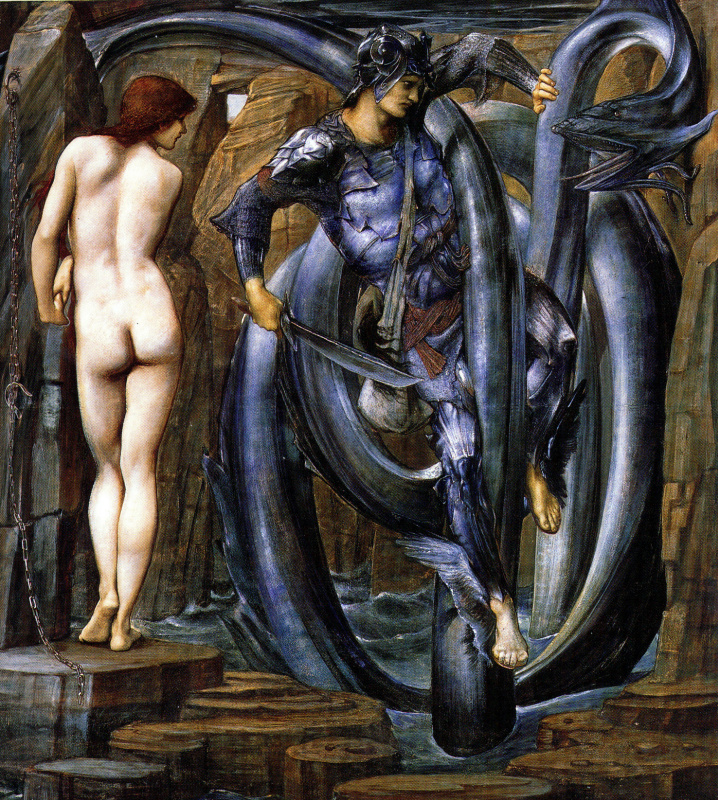
Perseus. The performance of the Prigovoredward Koli Burne-Jones 1888, 153.8 × 138.4 cm
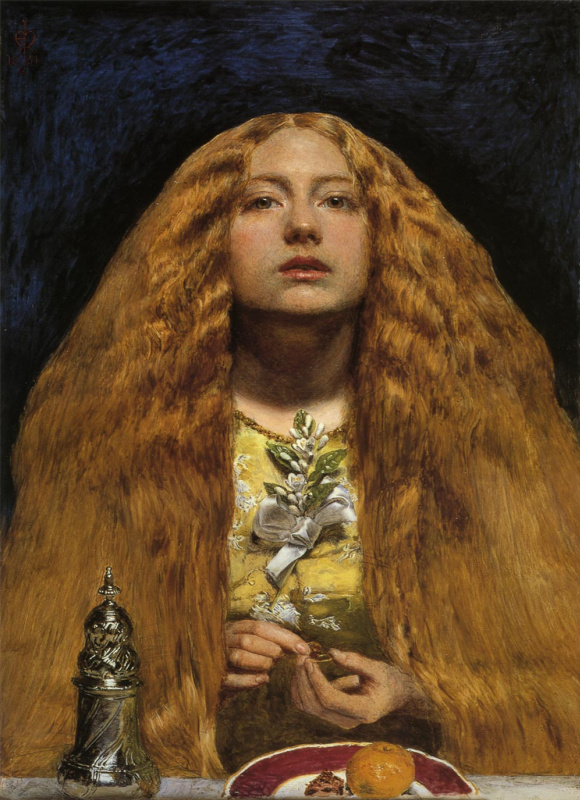
Daughter-in-law Everett Millle 1851, 27.9 × 20.3 cm
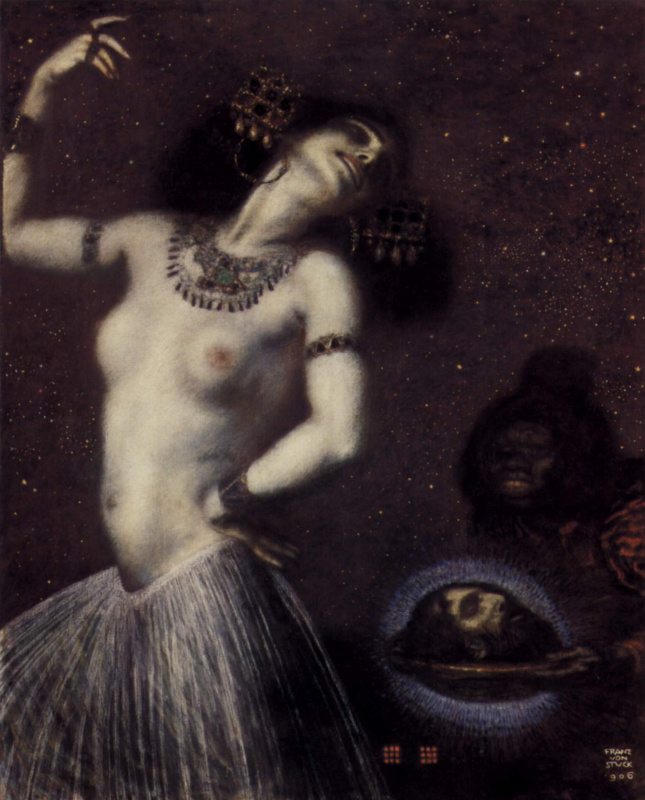
Salemyfranz von Stuk1906, 62 × 115 cm
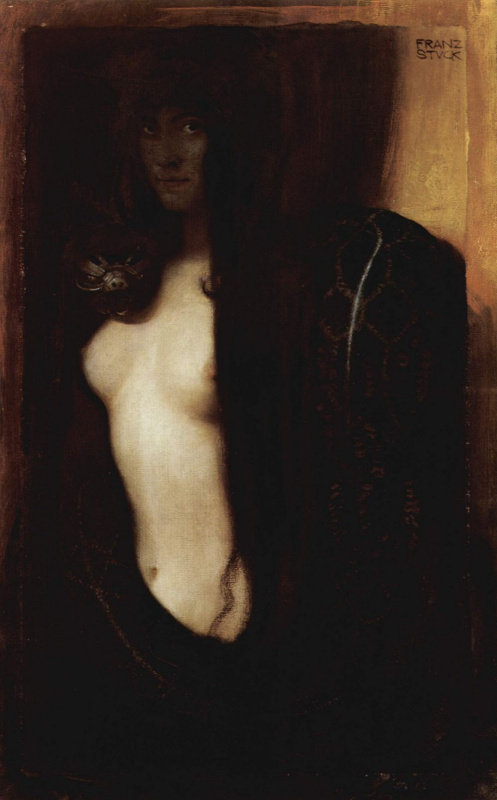
Porkfranz von 1893 pieces, 60 × 95 cm
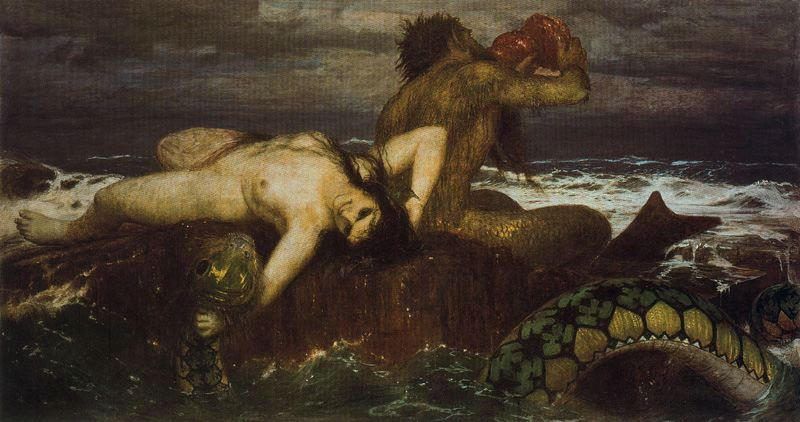
Jade
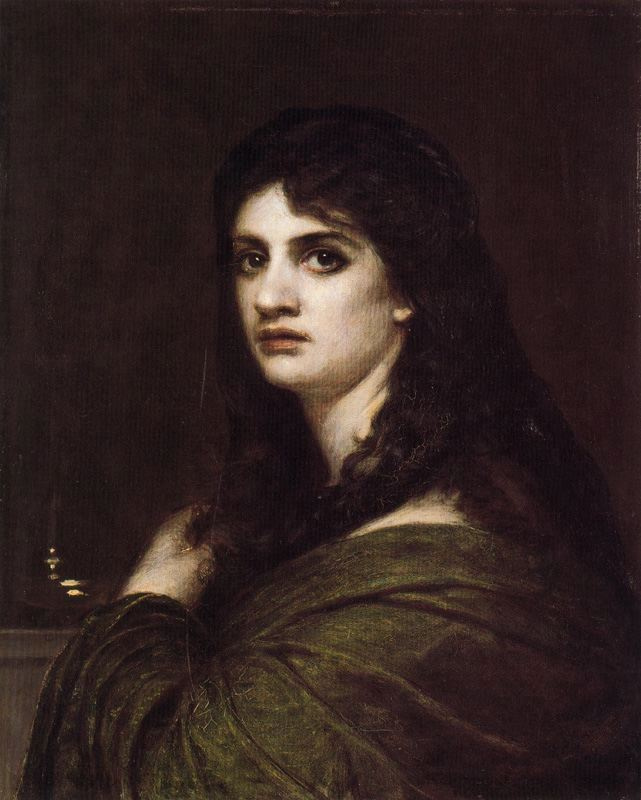
Zhenshhinaarnold Boöklin
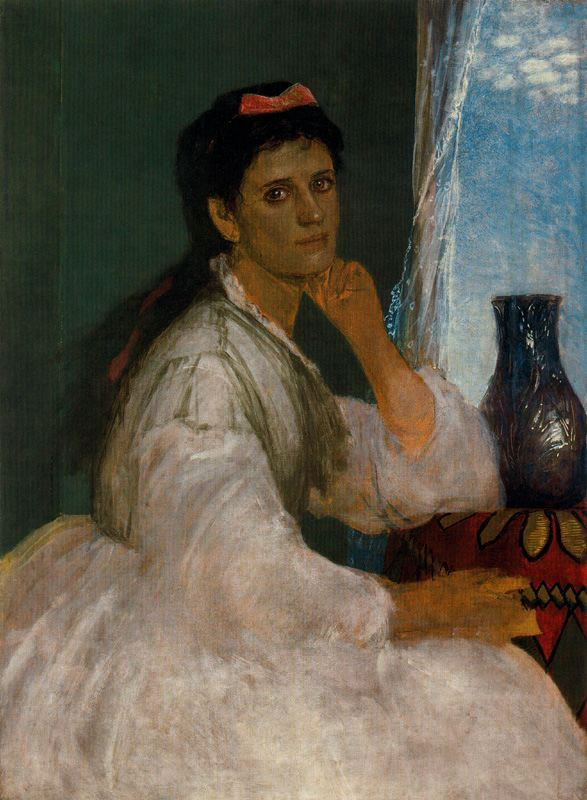
Woman in white dress Arnold Boecklin
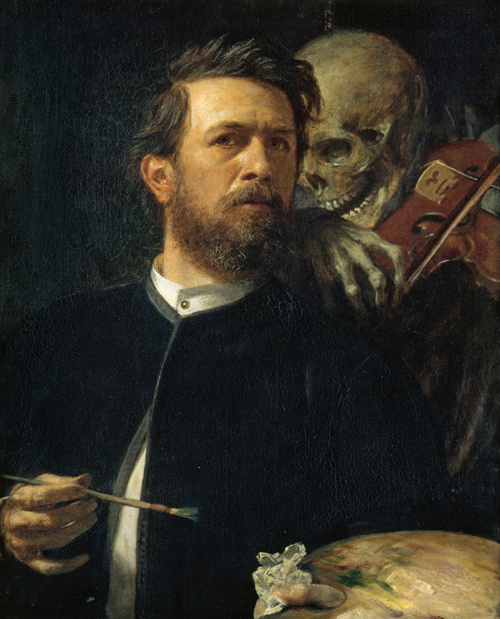
Self-portrait with the death of Arnold Böklin 1872
Beginning of Life František Kupka1900, 34 × 34 cm
Egg-Oodilon reddon1885the album “Mister Decorator”-Works of Odilon Redon “Gnom”, “Wing”, “origin”, “then lost Angel straightened Black Wings”, “she is him, dramatic and grand with his hair priestess Druids”, ” Death: This I make you serious, hug the same “,” and on it the rider, to whom the name death “,” Siren “,” madness “.
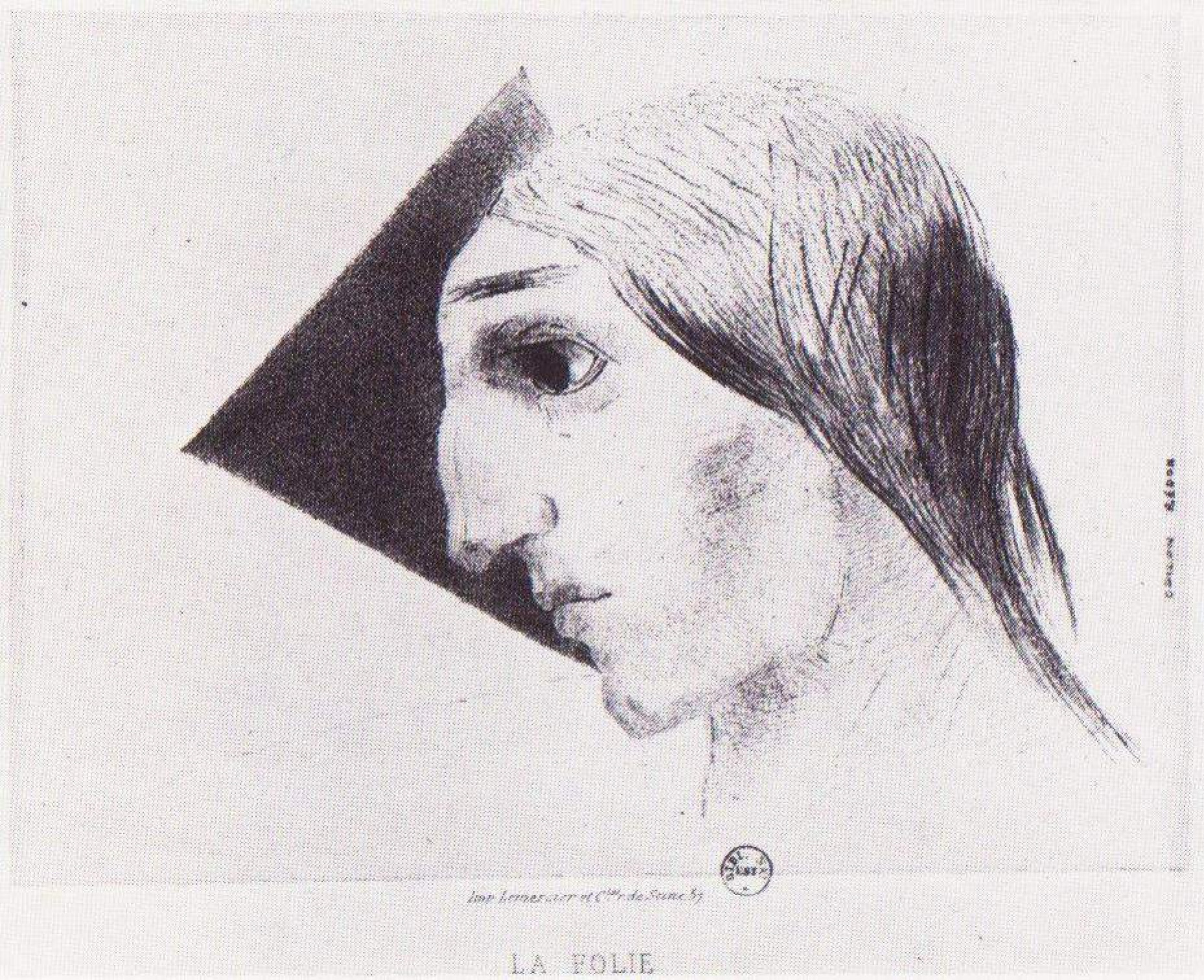
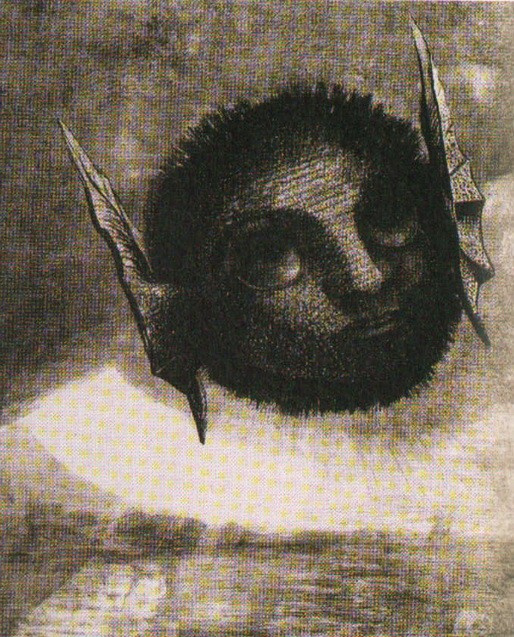
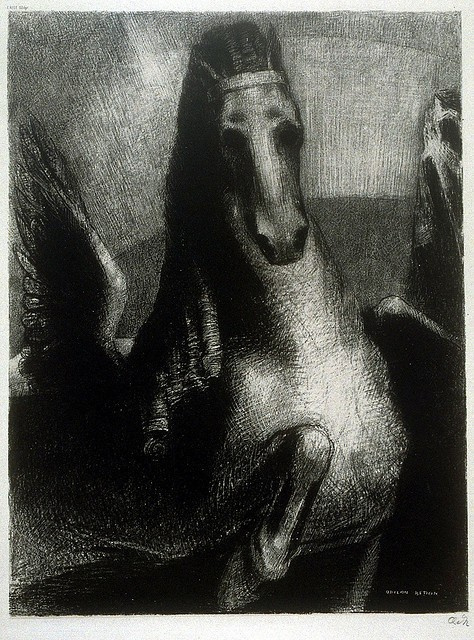
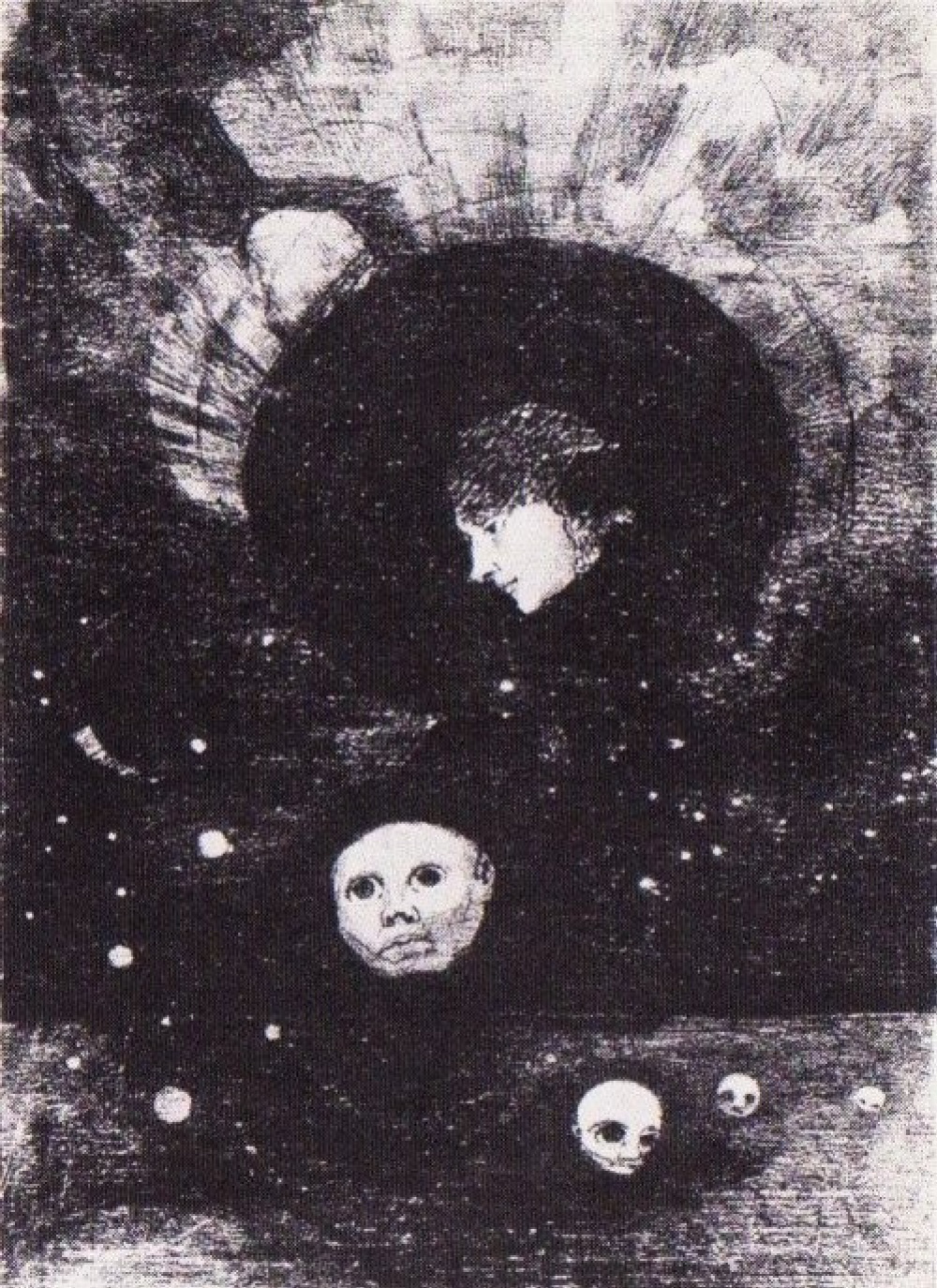
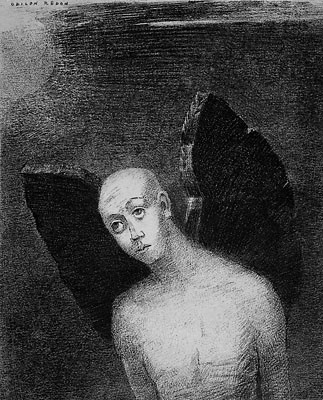
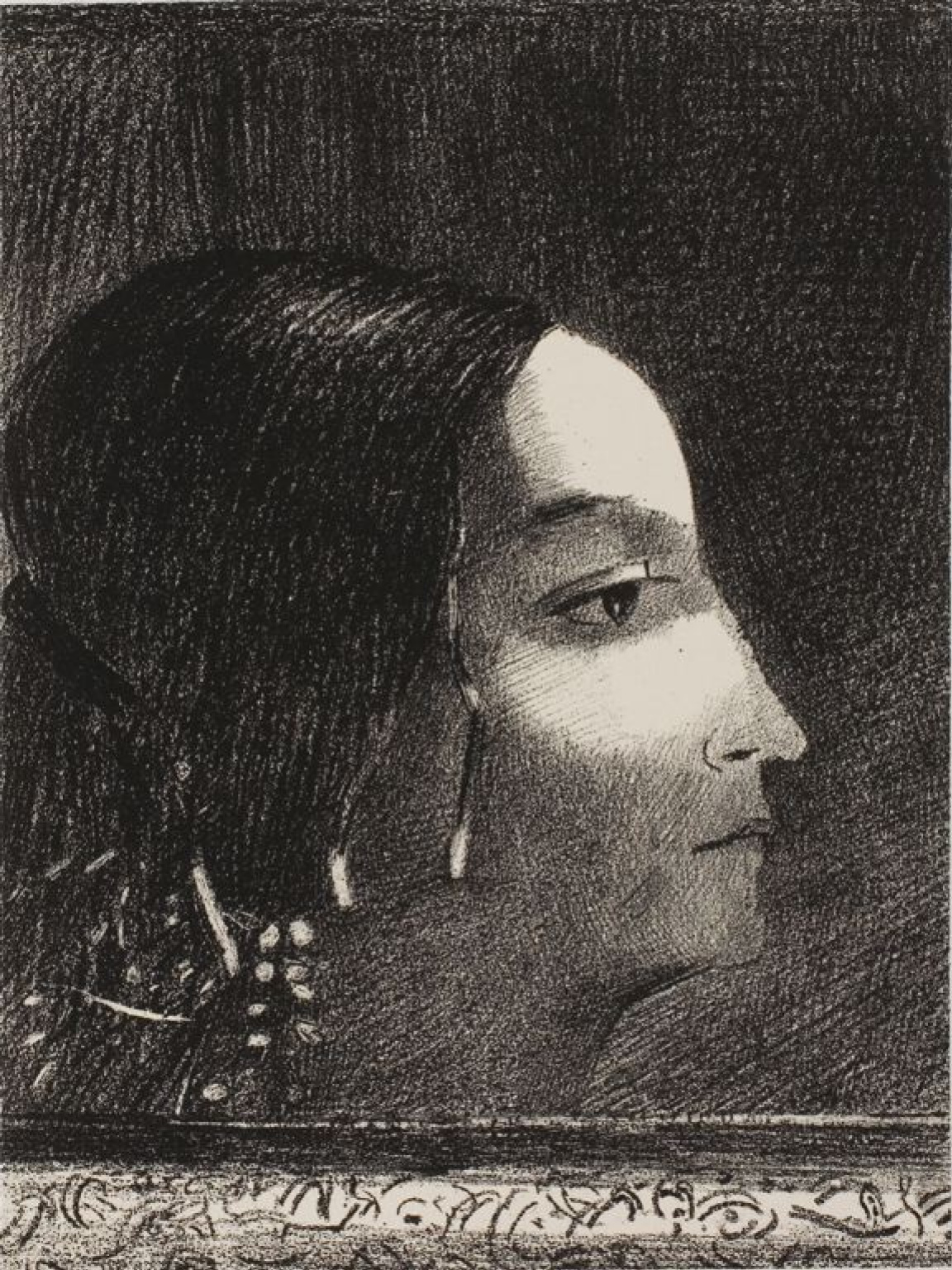


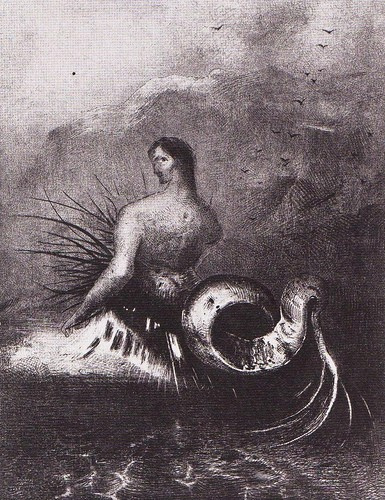
If when watching the film in 1988, when the information famine cut off by the “Iron Curtain” of citizens was still strong, the audience was only acquainted with the works of the Masters represented in it, now most of them became widely known to the widest to the domestic public. And only the name of Jean Delville is still detached. His creativity does not cease to amaze with its fantastic and stores many more mysteries.
Author: Irina Frykina.
Artyves: Read us in the telegram and see the Instagram
material prepared, including, according to publications: Bezzubtsev-Kondakov A. Death of Pigmalon. Cultuogic essay about the film “Mister Decorator”; Kirillov O. A. Pictorial-Graphic Intertext of the film O. Tepltsova “Mister Decorator”; Yakovlev A. “Mister Decorator”. Block. “The St. Petersburg text”; Material aquilaaquilonis.livejournal.com.