
Why are the paintings so expensive? Why go to the museum if there is Internet? Why are some pictures so weird? Children do not hesitate to ask questions if they do not understand something. And we tried to answer them honestly, simply and without superfluous clever terms, concepts and dates. It wasn’t easy.
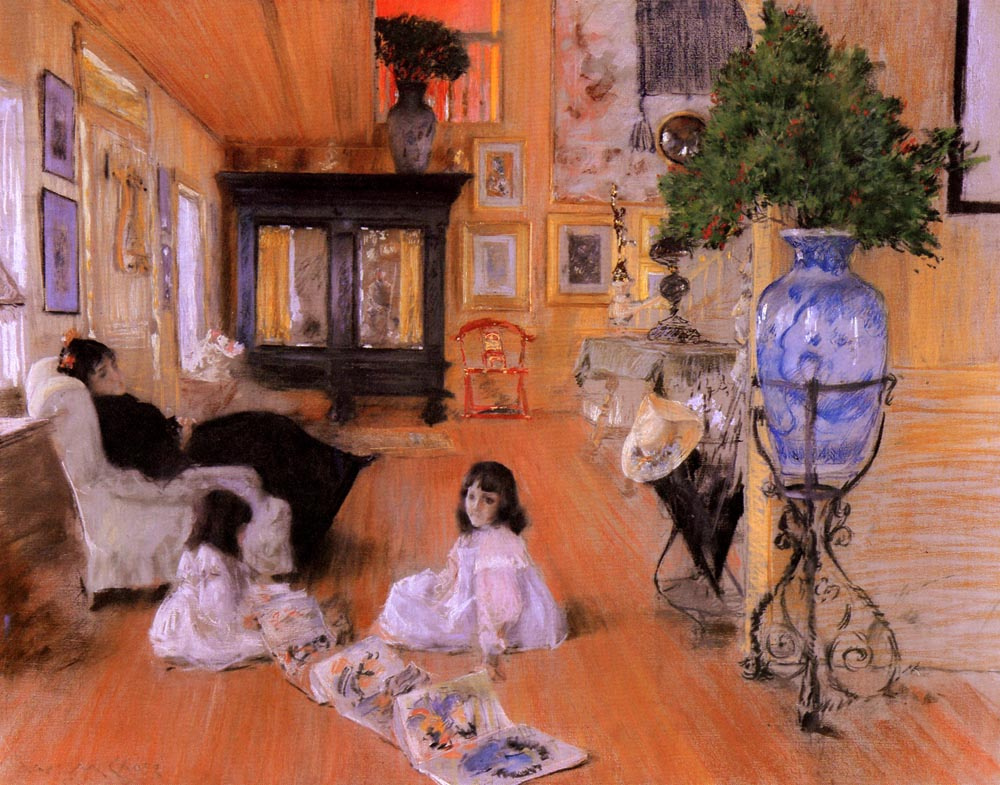
Why do you need painting at all if you have a picture for a long time?
If to imagine all history of painting from the very first drawings on walls of caves and up to modern abstract works, on realistic (more correct even, naturalistic) images fall out quite a tiny share of all volume created by artists of pictures. Before the appearance of the artist’s photo, of course, sometimes used as a master who can keep the look of his beloved grandmother for posterity or to capture the golden curls of the baby, until he grew up and di
d not bald. But the main purpose of art is not to repeat the world, but Create a new world, bound and unrelated to real. It is strange to even admit that a piece of music should mimic the sounds of birds singing or the noise of the train station. Nor should painting be a copy of reality.
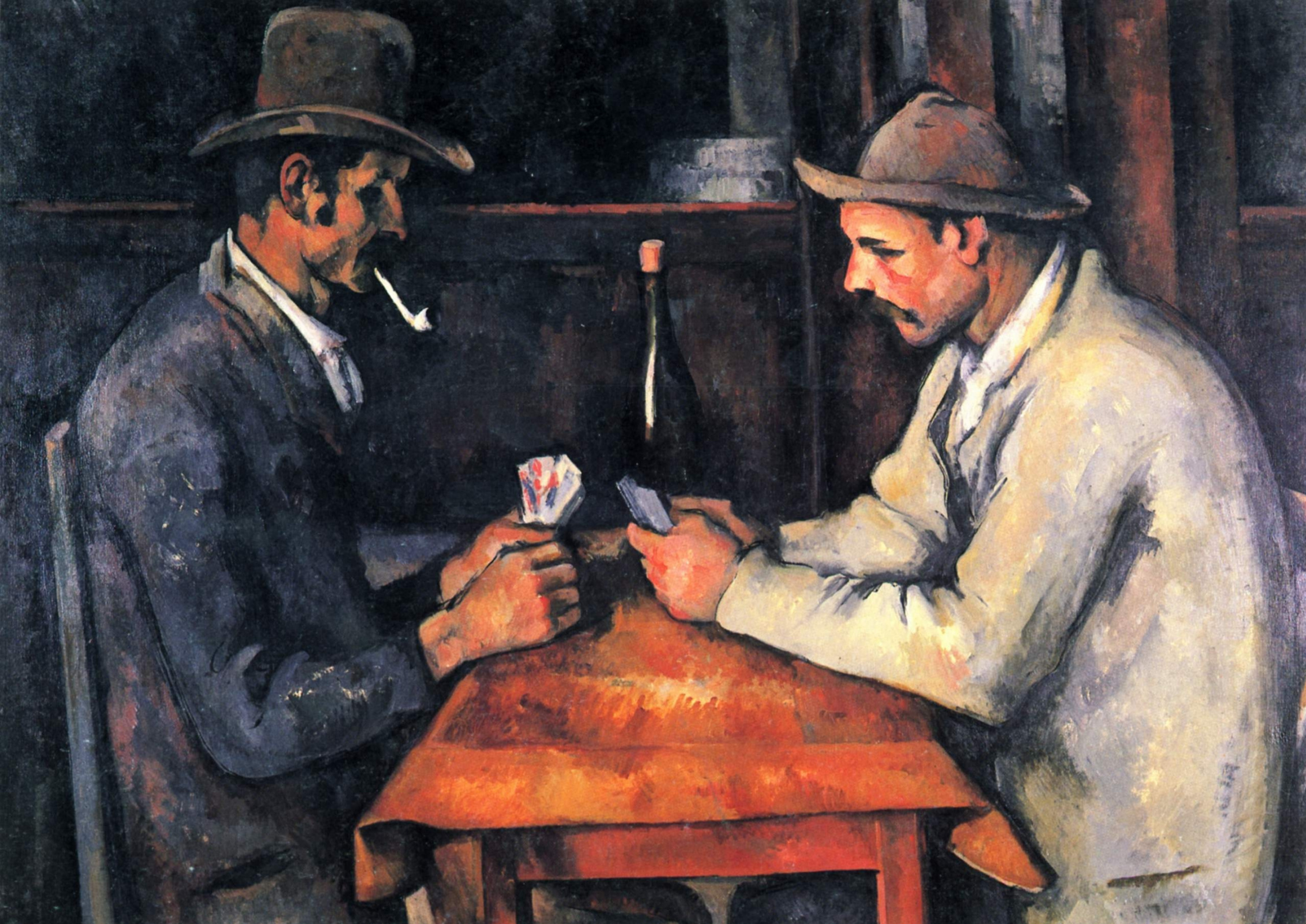
The picture of Paul Cezanne’s “card Players” was sold in 2011 for 250 million dollars and for 7 years remained the most expensive pictorial work ever exhibited for the last century and a half.
Why are the carines so expensive (it’s not an apartment, not a car, not an iphone)?
The paintings are judged by many criteria. The price depends not only on the fame of the artist’s name, but also on what period of his life belongs to work, in what Stories and adventures (yes-yes!) She had time to visit, what value she had at the time when it was written, how it influenced the history Art.
Most of the paintings in museums are really priceless. It is difficult to imagine a price tag in any currency under the “Dzokokonda” of Leonardo or under “freedom, the leading people” of Delacrois. They are not sold or bought, because they are paintings-symbols, pictures-beacons. For example, no one in the head will come to sell the Statue of Liberty or the Eiffel Tower, simply considering the price for the materials used for their headboards. And not only because they are huge-just such facilities, without which the country immediately impoverished, will fade, lose special, instantly recognizable characters.
But those pictures that you can still appreciate, have a special value. This is, of course, a profitable investment. Because after 10, and more than 50 years, the same picture can cost already 10 times more expensive. This is definitely not an iphone that will become obsolete in 2 years. But not always the collector cares only about profit. Very often he bequeathed after his death paintings to museums, university, where he studied, charitable organizations. First of all, the value of the painting-historical, aesthetic, finally, image. The person buying a great picture for tens of millions, becomes the object of discussion, promises a special reputation. But also takes on a huge responsibility: now he will have to provide a picture suitable care, properly placed in his home, so that it does not perish from bright sunlight or humidity.
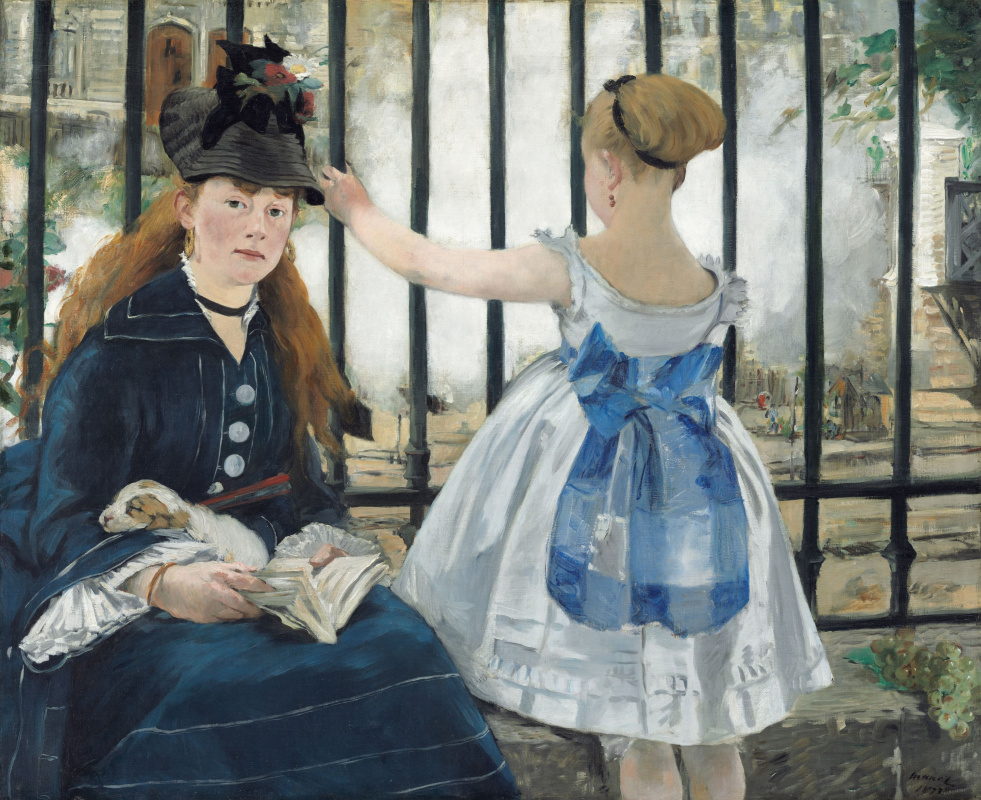
Iron Dorogajeduar Mane 1873, 93 × 114 cm
Why did some artists become great and forgotten about others?
Great artist-as a great inventor or discoverer: after its opening it is difficult to continue to live in the old way. It changes the world and changes the look of man and even all mankind to this world. You can stubbornly use the typewriter and once a month to change the tape, but soon the tape will disappear from the sale, because everyone has long been gaining texts on the computer. You may not recognize the discovery of the new world, but will soon bring potatoes, tobacco and a miraculous cure for malaria-and just have to live in a new way. Or die of malaria.
People don’t like sudden changes. It takes time to take them. Therefore seldom the great artist-innovator recognized great right away. For example, when one of the great reformers of art Edouard Mane began to write scenes from ordinary life, and not popular at the time stories with the crowns, amulets and other faceless, Podpogodevimi gods, his paintings did not want to take to the exhibition, believed Vulgar. And when the pictures were still at the exhibitions, the audience literally spat on them and tried to make holes.
But even at that time, Manet had fans who understood the importance of the revolution he had made in painting. These were other artists, writers, poets, journalists. Many followed his ideas and the painting finally changed. After some 30 years it was funny to seriously write Venus lying on the cloud.
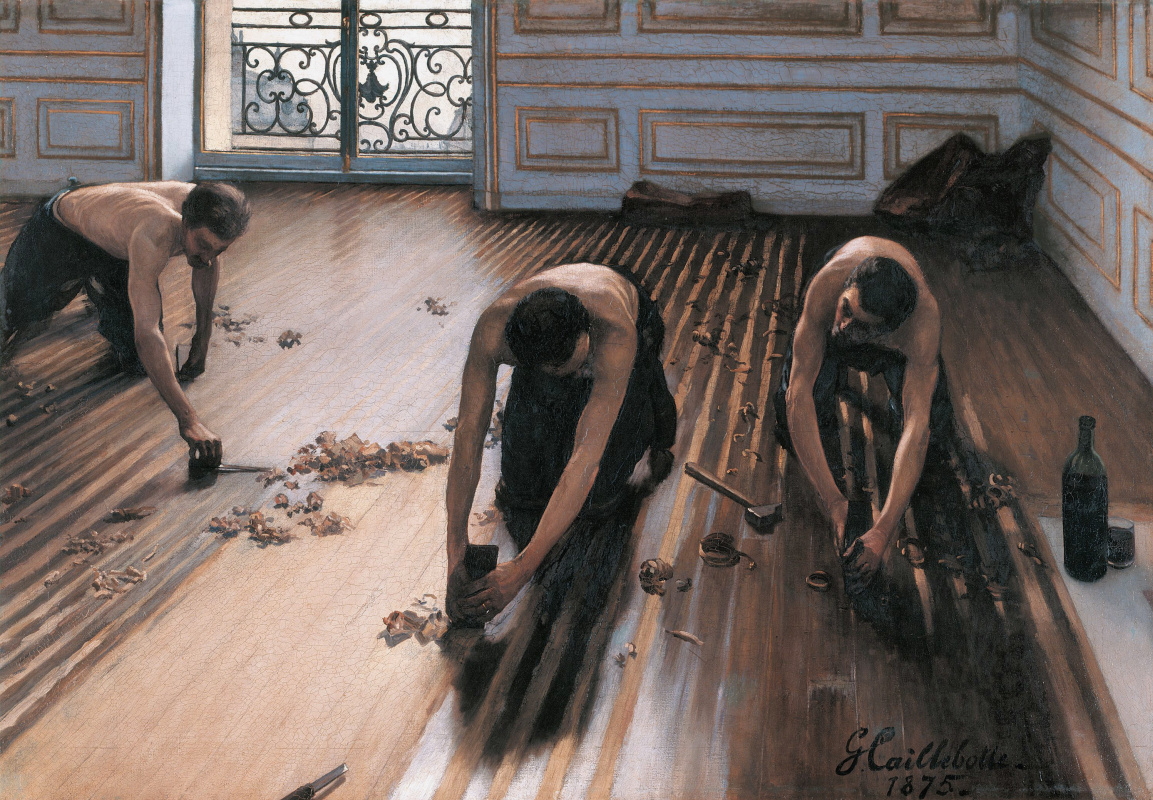
Parquet, 1875, 102 × 146 cm
Actually, being a great artist is a shame-you don’t get paid much when you’re alive, and when you die, your paintings sell for millions?
It’s confusing. If the artist is not died tragically at a young age, it is most often waited for recognition even in life. He did not become a millionaire, of course, but was much richer than some famous doctor or notary. Of course, some artists did not understand for the rest of their lives. Vincent van Gogh and Alfred Sisley died beggars, but did not stop writing and believed in what they were doing. They did not possess the charm and perseverance of Monet or the wit and secular manners of Degas. Maybe that’s the reason.
It used to be that the recognized artist forgot years for 100, and even all 300, and then suddenly his painting became very topical, consonant with the moods and tastes of the new time-and art critics, art historians, viewers no longer understood how to do without it All the time. For example, almost a hundred years have forgotten about Jane Vermeer, and now it is difficult to find someone who has not seen the “Girl with a Pearl Earring.” or impressionist Gustave Kaibotta almost a hundred years called just a patron and collector, forgetting that he himself was an important artist. Now no conversation about Impressionism is complete without his “parquet” or “Paris. Rainy Day “.
In any case, the importance of the artist is estimated over time. Because only when changing eras, flavors, fashion, technology, speed and lifestyle can you understand whether the artist answered only to the demands of his time or was able to create pictures that could cause admiration for the audience, living in a different way. And every artist who chose this way of earning was perfectly aware of this law. Some artists themselves were collectors and bought for big money pictures of their great predecessors. Edgar Degas, for example, was very upset when the prices of his paintings rose. He feared that if his work was so expensive, he would not be able to buy pictures of his beloved Delacrois or engres — they would then become even more expensive.
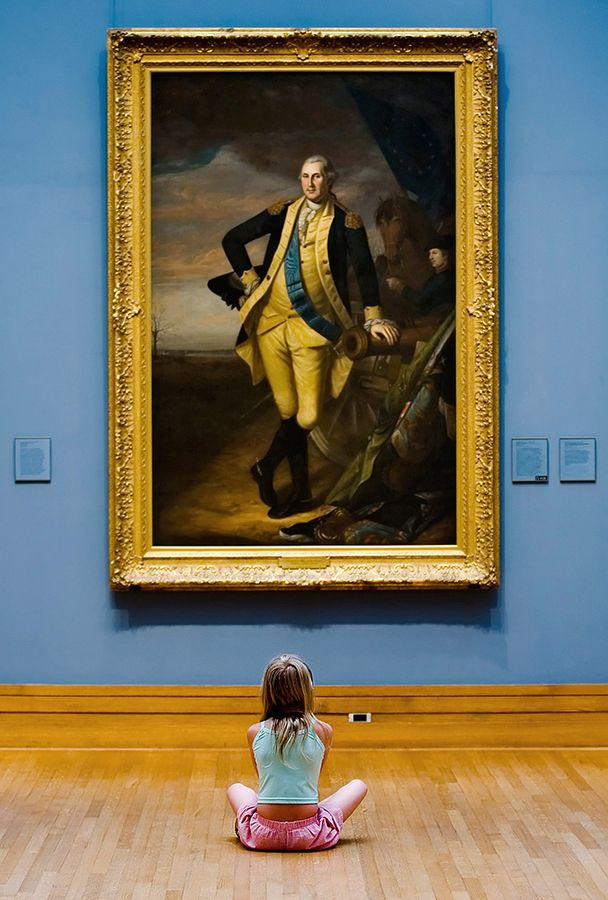
In the Metropolitan Museum of New York. Photo: Ryan Brenizer, www.flickr.com/photos/carpeicthus/
Why go to the museum if you can see all the pictures on the internet?
Internet-a very useful thing for someone who wants to learn about the art of a bigger. Often this is the only way to see the picture: each exists only in one copy and is located in a particular museum of a particular city. Not everyone can get to New York to visit the famous Museum of Modern Art, or to Paris to get to the Louvre. And on the Internet everything is simple-watch and enjoy.
But we will never agree to see pictures of the same New York or Paris on the internet instead of walking around the real city. Same with painting. Therefore, in tourist routes people so often include famous museums.
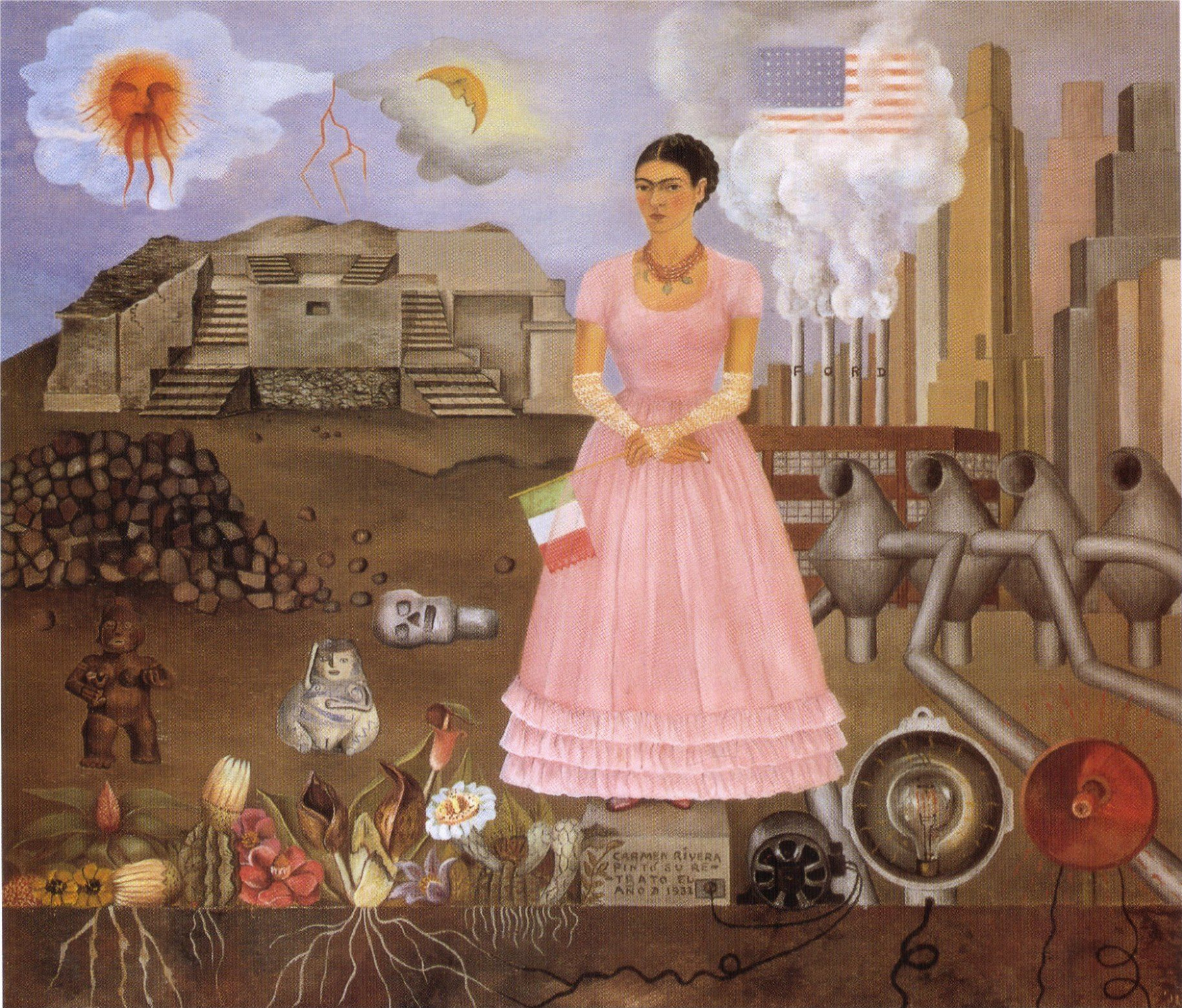
The person who has seen a picture on the Internet, at meeting with a picture live most often amazes the size. The monitors we all have are almost the same. What do you have? 20 × 30? 30 × 40 centimeters? And suddenly it turns out that Leonardo’s “Last Supper” is such a huge fresco of 4 and a half on almost 9 meters. And the “Easter Monday” by Willem de Koinga-a canvas almost 2 by 2 meters-and each stroke, each splash of color acts in this format deafeningly. But the scary at close scrutinization “self-portrait on the border between Mexico and the United States” Fridy Kahlo turns out to be very tiny on the museum wall-and it is almost fabulous in its carved frame. A little more than a shee
t of office paper. In painting, color is a language. With the help of color the artist creates mood, and often the sense. and reproductions on the internet very often sin incorrect transfer of colors. You would hardly want to read a good book in a terrible translation or watch a movie online while constantly hanging up the internet.
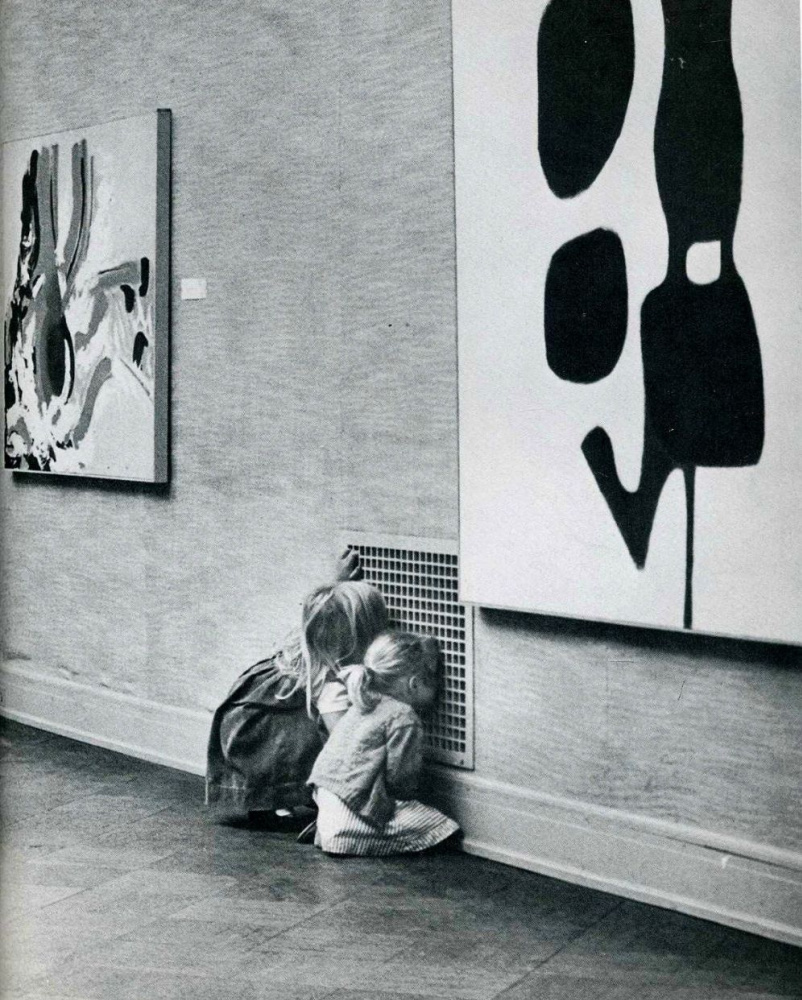
Children at the San Francisco Art Museum. Photo: Snapzu.com
Is it possible to be a good person and not to be interested in art at all?
Easily. You can be a wonderful physicist or a great programmer, a popular chef or an excellent athlete-and at the same time absolutely not interested in art. It’s not scary or embarrassing. Fine Arts (just like music or literature) is primarily a pleasure. And it is impossible to force a person to feel pleasure forcibly, to persuade, to teach o
r to force. Sometimes the hobby of art begins with some small impression which to someone else may seem even ridiculous. The main thing is to leave the art a chance. Never say or think: It’s definitely not for me, I’ll never understand it. You can climb the subway on the escalator-and see a beautiful concert poster. And then spend a couple of hours trying to find a painting that was used to decorate it. You can accidentally read the fascinating story of the artist’s life-and urgently want to see his paintings.
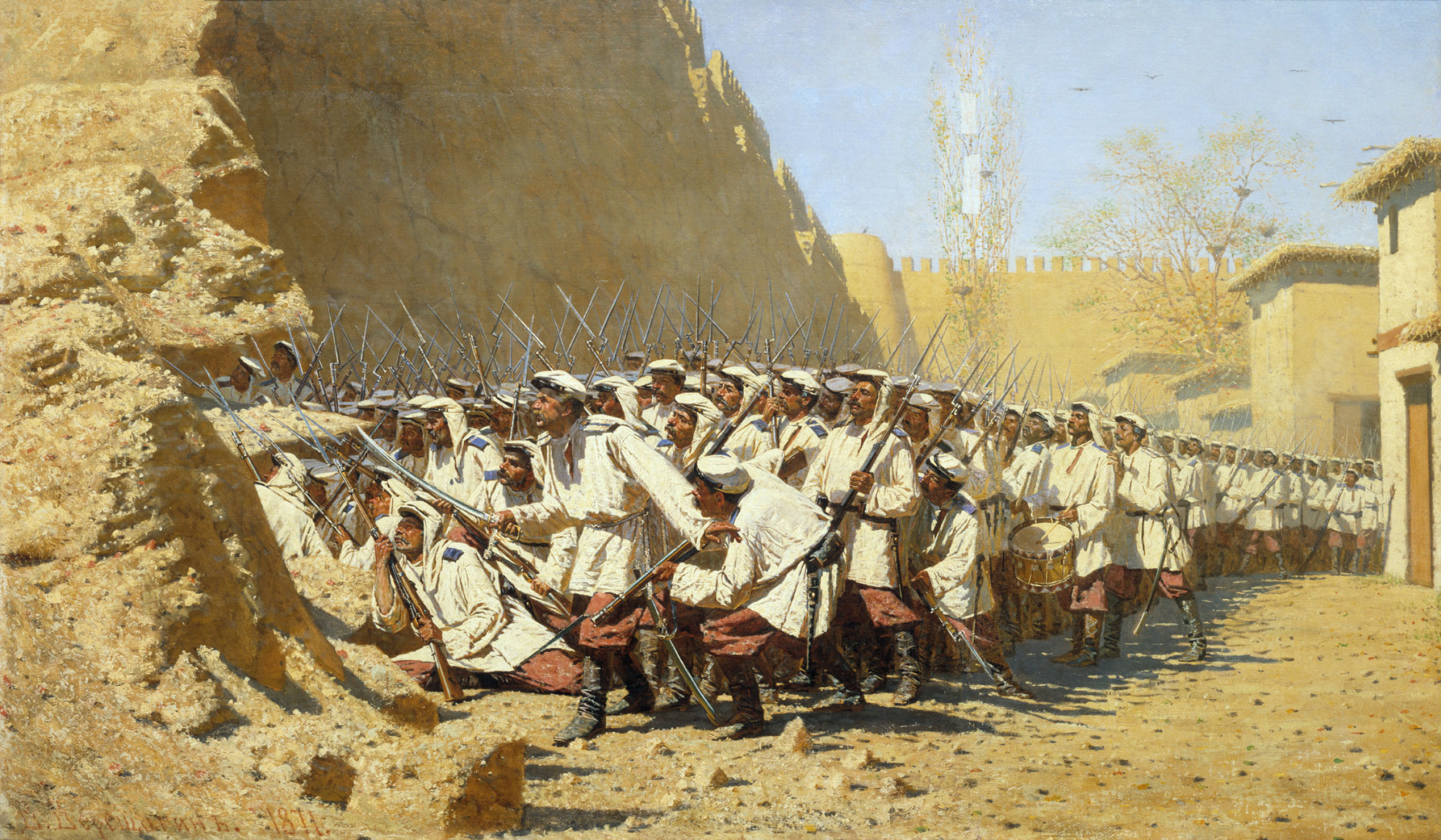
At the fortress wall. “Let vodut”vasily Vasilevich vereshchagin 1871, 95 × 160.5 cm
Why do museums have guides? If you just look at the picture and do not know anything about her and the artist, she will like less?
The guide is not necessary, and to meet with a really interesting storyteller, who does not ubahuyuyuyu his excursion, really difficult. But if you’re lucky, you’ll definitely start to treat art in a different way. For example, just to look at the military pictures of Vasily Vereshchagin-one thing, and look and learn that he himself participated in the battles, received the order for heroism, lost his brother on the battlefield and all his life hated the war-quite another.
In modern museums very often arrange thematic exhibitions, which is invented by a special specialist-curator. He picks up pictures, places them in the halls and even publishes to the exhibition a catalogue with the necessary information to help the visitor understand something about time, country, artist. So much more interesting. The visitor decides when to look in the catalog, if you can not wait to learn more, and when it is enough just to look at the picture-and everything is understandable without additional explanations.
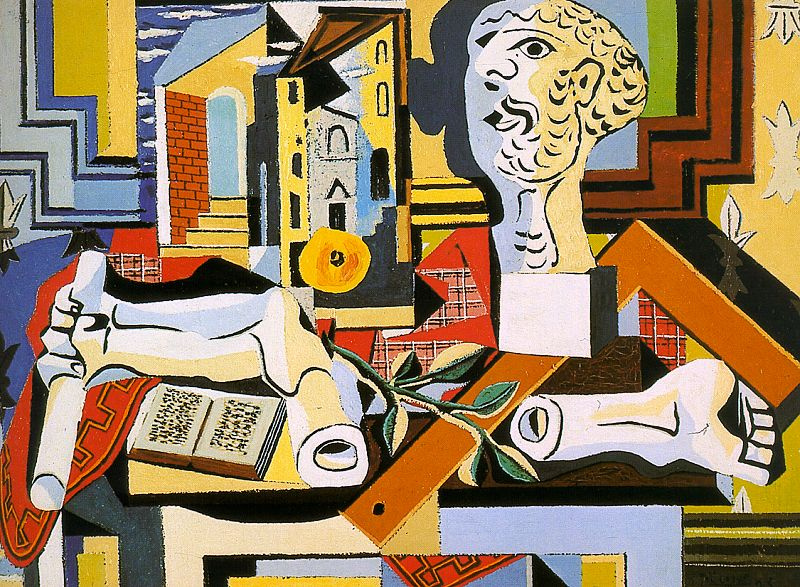
Studio with plaster Golovoypablo pickasso1925, 98 × 131 cm
There are strange pictures. Why did people agree to consider them great?
The picture may seem strange, if you do not fully understand what is happening on it. It’s like an adult movie about incomprehensible events in Japanese, which you suddenly began to look from the middle. But if in a couple of years you find it in translation and start to look at first, it turns out that the film is not so strange. It does not mean that you will like it at once, just now you can confidently say: I looked at it completely, I understood everything, but I did not feel anything special. Happens.
Most often, viewers call strange works of modern art-such, in which there are no recognizable figures, which sometimes resemble children’s doodle or those in which the image is decomposed into geometrical figures. They say nothing is clear. But even if the picture is very believable transferred figures of people, animals and quite definitely recognizable landscape, it does not mean that the picture is simple and understandable. And that its meaning is easy to calculate by simply disassembling the depicted scene. To understand the pictures written 400 − 500 years ago (very realistically written, by the way), it is necessary to study myths, to read the Bible, to learn about the symbols and allegcences adopted at that time, about historical events. Or use the Guide tips in the museum and articles of Arthiva.
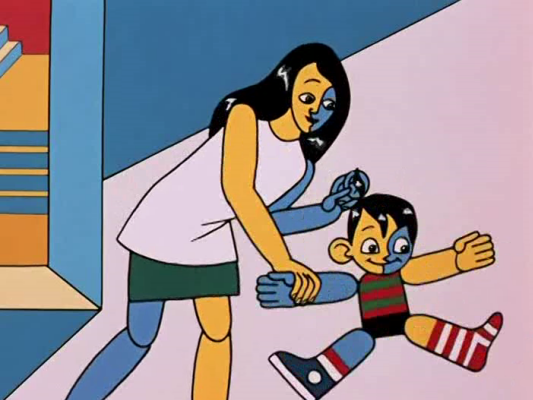
And finally, as to the universal agreement to consider something great or not. That’s how people agreed to consider the Great Edison, the man who invented the electrical lighting system? By the way, many artists of the late XIX-early XX century did not recognize electric lighting and refused to artificially illuminate their workshops. You may like or dislike the cubist painting of Pablo Picasso, as many did not like the electric light, but it is necessary to admit that people began to look at the world differently after the advent of Cubism. Even cartoons have become different. It is possible that there would be no Lego and Meinkraft without Cubism. Seriously.
Illustration above: A frame from the cartoon “Scattered Giovanni”
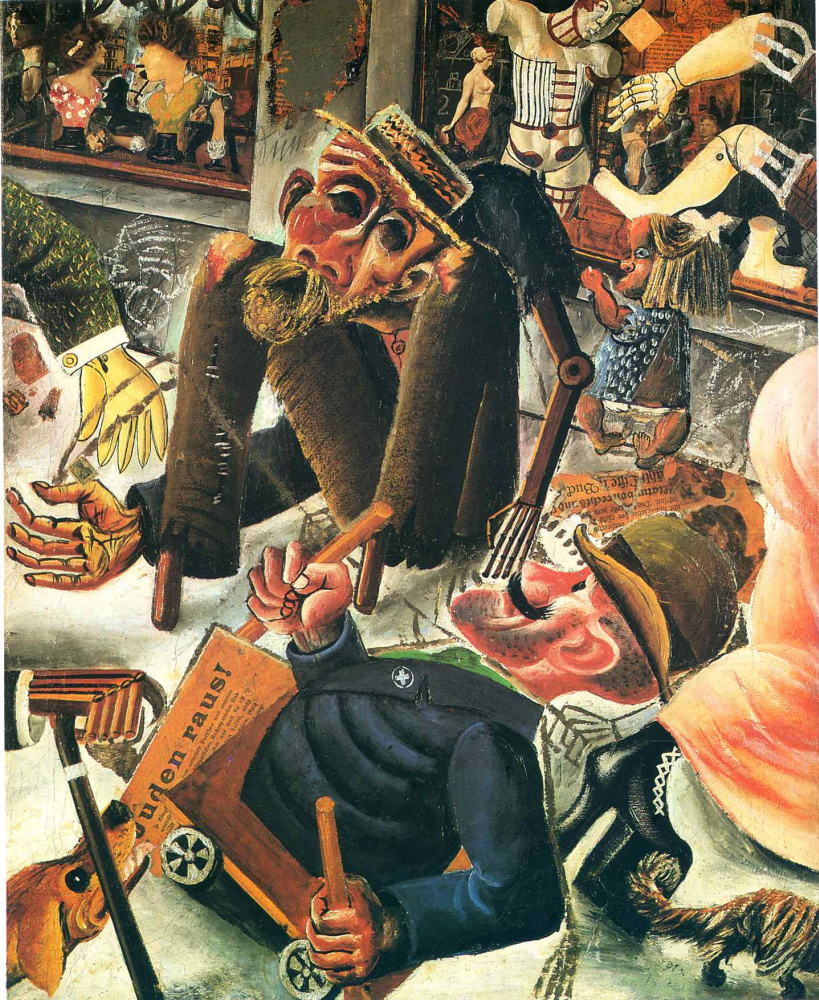
Why draw ugly? Who would want to look at it?
Not only an artist, but also any person is a complex creature with its own view of the world. He is desperate, can feel lonely, confused. And the world around the artist could be very different at the time when the painting was created. There was a war or his friend died, injustice, meanness, cowardice around. There were generations of artists who were very anxious about what was happening (before the First World War in Europe or during the Great Depression in the USA) — and simply could not write beautiful flowers or elegant women.
And then one hundred years from now, someone at the other end of the world will be able to look at the restless pictures of these artists — and relive the same. Sometimes the hall with dozens of paintings, written in the difficult pre-war time, will give a feel much more than a thick book on history.

If I draw a kalyak, will it be exhibited in the museum?
Probably not. Even if it will not Kalyak, and quite a decent natjurmortili landscape, written in a lesson in art school.
It was, incidentally, a whole association of artists who in the early twentieth century called attention to children’s drawings and even included some of them in the magazine “Blue Rider”, which issued. They also admired the primitive art of the peoples of Africa and Oceania, the works of lunatics. It was necessary that people ceased to trust so much the technical skill of the artist, his ability to apply paints correctly — and learned to see an important thought, feeling, experience, expressiveness even in several strips of paint or in flat, Devoid of volume and perspective image.
The artist, who at some stage of life begins to write simple, “childish”, works, of course, can write so that it looked like. All these subtle laces, which are like real, sea waves that are about to splash out of the space of the painting under the feet of the viewer. But he deliberately refuses to do it-and chooses the way of the image, which is likely to cause indignation, counteraction, misunderstanding, ridicule. And he knows exactly why he’s doing it. This distinguishes the work of the artist from drawing a child who simply did not learn to draw another way.